Introduction to Software Solutions
In the modern digital era, software has become one of the most important tools for improving productivity, solving complex problems, and helping businesses grow. From small startups to global organizations, companies rely on software to manage operations, communicate with customers, analyze data, and automate daily tasks.
Software Solutions are specially designed programs, applications, and digital systems that help individuals and organizations solve specific challenges. These solutions can improve efficiency, reduce manual work, increase security, and create better experiences for users.
As technology continues to evolve, businesses are investing more in customized software solutions to stay competitive. Whether it is customer management software, accounting systems, mobile applications, cloud platforms, or artificial intelligence tools, software solutions have become an essential part of modern success.
What Are Software Solutions?
Software Solutions are digital applications or systems created to address specific needs and requirements. Unlike basic software programs, software solutions are often designed with a particular purpose, such as managing business processes, improving communication, organizing information, or automating repetitive tasks.
A software solution can be:
- A mobile application
- A web-based platform
- A business management system
- Cloud-based software
- Customer relationship management software
- Data analysis software
- Security applications
The main purpose of software solutions is to make work easier, faster, and more accurate by using technology.
Why Software Solutions Are Important
Technology has changed the way people and businesses operate. Traditional methods often require more time, resources, and manual effort. Software solutions provide smarter ways to complete tasks and manage information.
Improving Business Efficiency
One of the biggest benefits of software solutions is improved efficiency. Automated systems can complete repetitive tasks quickly and reduce human errors. This allows employees to focus on more important activities that require creativity and decision-making.
For example, businesses can use software solutions to automate:
- Customer communication
- Inventory management
- Financial calculations
- Employee records
- Data reporting
Reducing Operational Costs
Software solutions help organizations save money by reducing unnecessary manual work and improving resource management. A well-designed software system can handle multiple tasks without requiring additional resources.
Businesses can reduce costs through:
- Automated workflows
- Digital record management
- Better planning
- Improved productivity
Better Data Management
Data is one of the most valuable resources for modern businesses. Software solutions help collect, organize, store, and analyze large amounts of information.
With proper data management, companies can make better decisions based on accurate information.
Types of Software Solutions
There are many different types of software solutions available depending on user requirements and industry needs.
Business Software Solutions
Business software solutions are designed to help companies manage their daily operations. These systems improve productivity and provide better control over business activities.
Examples include:
- Enterprise resource planning systems
- Accounting software
- Project management tools
- Employee management systems
Customer Relationship Management Software
Customer Relationship Management (CRM) software helps businesses manage interactions with customers. It allows companies to track customer information, improve communication, and build stronger relationships.
CRM software solutions help with:
- Customer support
- Sales management
- Marketing campaigns
- Customer data organization
Cloud-Based Software Solutions
Cloud software solutions allow users to access applications and data through the internet. They provide flexibility because users can work from different locations without depending on a single device.
Benefits of cloud-based solutions include:
- Easy access
- Data backup
- Scalability
- Lower maintenance requirements
Mobile Software Solutions
Mobile applications have become an important part of daily life. Businesses use mobile software solutions to provide better services and connect with customers through smartphones.
Mobile solutions are used in:
- Banking
- Shopping
- Education
- Healthcare
- Entertainment
Custom Software Solutions
Custom software solutions are created according to the specific needs of a business or organization. Unlike ready-made software, custom solutions provide more flexibility and features.
Advantages of custom software include:
- Personalized features
- Better scalability
- Improved security
- Higher efficiency
Benefits of Using Software Solutions
Software solutions provide many advantages for individuals and businesses.
Increased Productivity
Software automation allows users to complete tasks faster and with fewer mistakes. This increases overall productivity and helps organizations achieve better results.
Improved Security
Modern software solutions include advanced security features that protect sensitive information from unauthorized access and cyber threats.
Security features may include:
- Data encryption
- User authentication
- Access control
- Regular updates
Enhanced Customer Experience
Businesses can use software solutions to provide faster and more personalized services. Better customer experiences help companies build trust and increase loyalty.
The Future of Software Solutions
The future of software solutions is connected with emerging technologies such as artificial intelligence, machine learning, automation, and cloud computing.
Future software systems will become more intelligent, faster, and easier to use. Businesses will continue adopting advanced solutions to improve performance and remain competitive in the digital marketplace.
Software Development Process for Software Solutions
Creating effective software solutions requires a structured development process. Professional software developers follow different stages to design, build, test, and maintain software according to user requirements.
1. Planning and Requirement Analysis
The first step in developing software solutions is understanding the needs of users or businesses. Developers analyze the problems that need to be solved and identify the features required in the software.
During this stage, teams focus on:
- Business goals
- User expectations
- Required features
- Budget planning
- Project timeline
Proper planning helps create a software solution that delivers real value.
2. Software Design
After gathering requirements, developers create a design plan for the software. This includes the structure, user interface, database organization, and overall functionality.
A good software design focuses on:
- Simple navigation
- User-friendly experience
- Fast performance
- Future scalability
3. Development and Programming
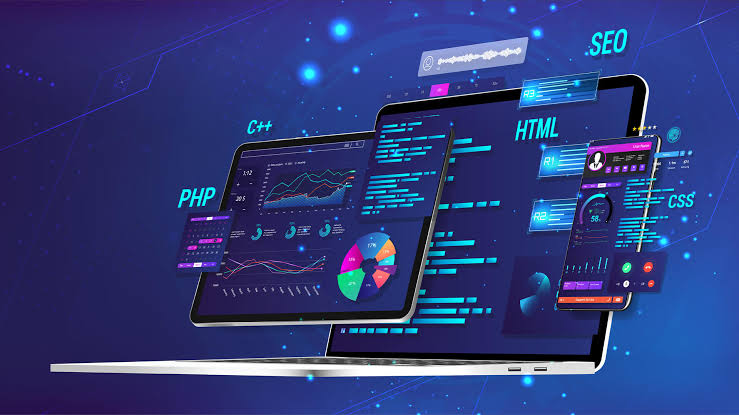
During the development stage, programmers write the code that powers the software solution. Different programming languages and technologies are used depending on the type of software being created.
Developers may use technologies for:
- Web applications
- Mobile applications
- Desktop software
- Cloud platforms
- Enterprise systems
4. Testing and Quality Assurance
Testing is an important part of creating reliable software solutions. Developers check the software for errors, security problems, and performance issues before launching it.
Testing helps ensure:
- Better performance
- Improved security
- Fewer errors
- Better user satisfaction
5. Deployment and Maintenance
After successful testing, the software solution is released for users. However, software development does not end after launch.
Regular maintenance is required to:
- Fix technical issues
- Add new features
- Improve security
- Keep software updated
Role of Artificial Intelligence in Software Solutions
Artificial Intelligence (AI) has changed the software industry by making applications smarter and more efficient. AI-powered software solutions can analyze data, automate tasks, and provide intelligent recommendations.
Businesses are using AI software solutions for:
- Customer support chatbots
- Data analysis
- Fraud detection
- Marketing automation
- Personalized recommendations
AI allows software systems to learn from information and improve performance over time.
Software Solutions for Small Businesses
Small businesses often face challenges such as limited resources, competition, and managing daily operations. Software solutions help small companies operate more efficiently without requiring large investments.
Useful software solutions for small businesses include:
Accounting Software
Accounting software helps manage financial records, invoices, payments, and expenses. It reduces manual calculations and improves financial accuracy.
Marketing Software
Marketing software helps businesses promote their products and services through digital channels. It can assist with email campaigns, customer tracking, and online advertising.
Inventory Management Software
Inventory software helps businesses monitor stock levels, manage products, and reduce losses caused by poor inventory control.
Communication Tools
Communication software solutions improve teamwork by allowing employees to share information, manage projects, and collaborate effectively.
How to Choose the Right Software Solution
Selecting the right software solution is important because every business has different needs. Before choosing software, users should consider several factors.
Identify Your Requirements
The first step is understanding what problem the software needs to solve. Businesses should clearly define their goals and required features.
Consider Scalability
A good software solution should grow with your business. Choosing scalable software prevents the need for frequent replacements as requirements increase.
Check Security Features
Security should always be a priority. Users should select software solutions that provide strong protection for sensitive data.
Important security features include:
- Encryption
- Secure login systems
- Data backup
- Privacy controls
Evaluate User Experience
Software should be easy to use and understand. Complicated systems can reduce productivity and create unnecessary difficulties.
Compare Costs
Businesses should consider both initial costs and long-term expenses. Affordable software solutions with valuable features often provide better returns.
Challenges of Software Solutions
Although software solutions provide many benefits, they also come with some challenges.
Security Risks
Cybersecurity threats are increasing, and software systems can become targets for hackers. Developers must continuously improve security measures.
Implementation Difficulties
Introducing new software may require employee training and adjustments to existing workflows.
Maintenance Requirements
Software requires regular updates and technical support to remain effective and secure.
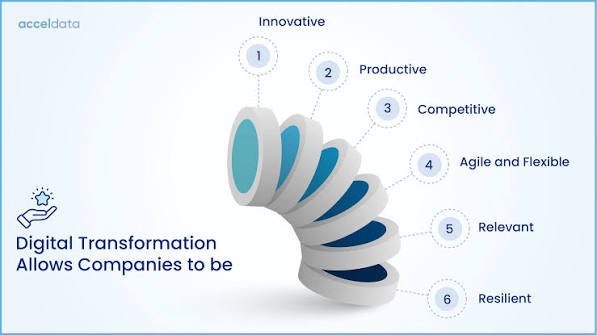
Importance of Software Solutions in Digital Transformation
Digital transformation is changing how businesses operate. Companies are replacing traditional methods with advanced digital systems to improve efficiency and customer service.
Software solutions support digital transformation by helping businesses:
- Automate processes
- Improve communication
- Analyze data
- Increase productivity
- Deliver better services
Organizations that adopt modern software solutions can respond faster to market changes and customer expectations.
Emerging Trends in Software Solutions
The software industry continues to develop with new technologies and changing user needs.
Important trends include:
Cloud Computing
Cloud-based software solutions allow businesses to access services online without managing complex infrastructure.
Artificial Intelligence
AI-powered software is improving automation, decision-making, and user experiences.
Low-Code and No-Code Development
These platforms allow users to create applications with limited programming knowledge, making software development faster and more accessible.
Cybersecurity-Focused Software
As online threats increase, security-focused software solutions are becoming more important for protecting digital assets.
Frequently Asked Questions (FAQs) About Software Solutions
1. What are Software Solutions?
Software Solutions are digital programs, applications, or systems designed to solve specific problems and improve the way individuals and businesses perform tasks. They help automate processes, manage data, and increase productivity.
2. Why are Software Solutions important for businesses?
Software Solutions help businesses save time, reduce costs, improve efficiency, and manage operations more effectively. They allow companies to automate daily tasks and make better decisions using accurate data.
3. What are the common types of Software Solutions?
Common types of Software Solutions include business management software, customer relationship management (CRM) systems, cloud software, mobile applications, accounting software, security software, and custom software solutions.
4. How do Custom Software Solutions benefit companies?
Custom Software Solutions are created according to a company’s specific needs. They provide personalized features, better flexibility, improved performance, and the ability to grow with business requirements.
5. Are Cloud-Based Software Solutions secure?
Yes, modern Cloud-Based Software Solutions use advanced security methods such as encryption, authentication, and regular updates to protect user data and prevent unauthorized access.
6. How do Software Solutions improve productivity?
Software Solutions improve productivity by automating repetitive tasks, reducing human errors, organizing information, and helping teams complete work faster and more efficiently.
7. What technologies are shaping the future of Software Solutions?
Artificial intelligence, machine learning, cloud computing, automation, and cybersecurity technologies are shaping the future of Software Solutions by making them smarter, faster, and more secure.
8. How can businesses choose the right Software Solution?
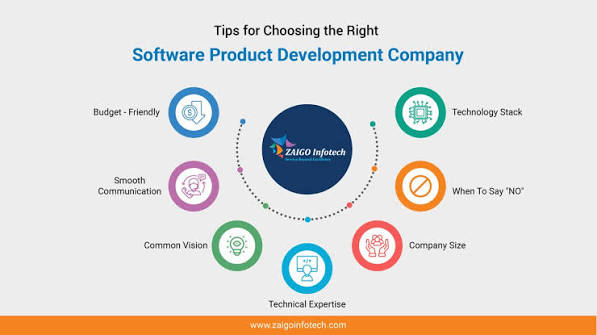
Businesses should choose software based on their goals, budget, security requirements, scalability, ease of use, and the features needed to solve their specific challenges.
Conclusion
Software Solutions have become a powerful part of the modern digital world. They help businesses and individuals complete tasks more efficiently, manage information, improve communication, and achieve better results. From small businesses to large organizations, software solutions provide valuable tools that support growth and innovation.
As technology continues to develop, the demand for advanced software solutions will continue to increase. Companies that invest in reliable, secure, and scalable software systems can improve productivity, reduce operational challenges, and stay competitive in the digital market.
The future of software solutions will be influenced by artificial intelligence, cloud computing, automation, and advanced security technologies. By adopting the right software solutions, businesses can create smarter workflows, deliver better customer experiences, and build a stronger foundation for long-term success.