Introduction
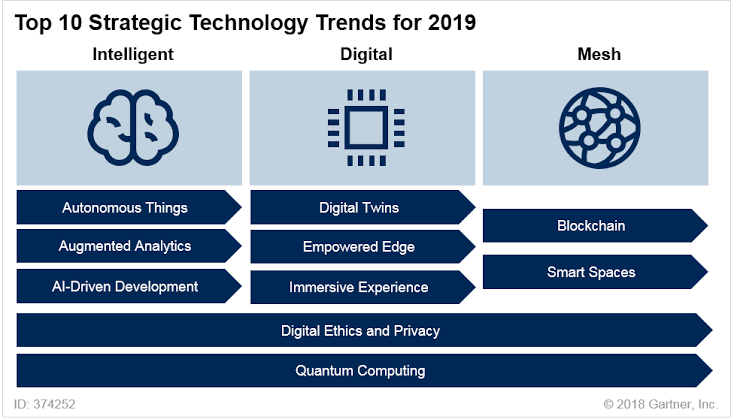
In today’s rapidly changing digital world, technology is becoming smarter, faster, and more connected than ever before. One of the most important developments shaping the modern era is the rise of Smart Systems. These intelligent solutions are transforming the way people live, businesses operate, and industries grow.
Smart Systems combine advanced technologies such as artificial intelligence, machine learning, sensors, automation, and data analytics to make decisions, improve efficiency, and solve complex problems. From smart homes and smart cities to intelligent healthcare and automated industries, these systems are creating a more convenient and productive future.
The demand for Smart Systems is increasing because organizations and individuals are looking for better ways to save time, reduce costs, and improve performance. As technology continues to evolve, Smart Systems are becoming an essential part of everyday life.
What Are Smart Systems?
Smart Systems are advanced technological systems that can collect information, analyze data, and take intelligent actions with minimal human involvement. These systems use different technologies working together to understand situations and provide better solutions.
A traditional system usually follows fixed instructions, while a Smart System can learn from data and adapt according to changing conditions. This ability makes smart technology more powerful and useful.
For example, a normal lighting system may only turn on or off through a switch. However, a smart lighting system can detect movement, understand user preferences, adjust brightness automatically, and save energy.
How Smart Systems Work
Smart Systems work through a combination of hardware, software, and intelligent algorithms. Several important components help these systems perform effectively.
1. Sensors and Data Collection
Sensors are one of the most important parts of Smart Systems. They collect information from the surrounding environment. Sensors can measure temperature, movement, location, sound, pressure, and many other factors.
For example, smart security cameras use sensors to detect unusual activity and send alerts to users.
2. Artificial Intelligence and Machine Learning
Artificial intelligence allows Smart Systems to analyze information and make intelligent decisions. Machine learning helps these systems improve their performance by learning from previous data.
This means a Smart System becomes more accurate and efficient over time.
3. Connectivity and Communication
Smart Systems depend on strong communication networks to exchange information. Technologies such as the Internet of Things (IoT), cloud computing, and wireless networks allow different devices to communicate with each other.
4. Automation and Decision Making
Automation enables Smart Systems to complete tasks without continuous human control. These systems can identify problems, predict future events, and take actions automatically.
For example, smart agriculture systems can automatically control irrigation based on soil conditions and weather information.
Importance of Smart Systems in Modern Life
Smart Systems are changing almost every area of human life. Their ability to improve efficiency and provide intelligent solutions makes them valuable in many industries.
Smart Homes
Smart homes are one of the most popular examples of Smart Systems. These homes use connected devices that allow people to control lighting, security, temperature, and appliances automatically.
Smart home technology provides comfort, convenience, and energy savings. Users can manage their homes through smartphones or voice assistants.
Smart Healthcare
Healthcare is another field where Smart Systems are making major improvements. Intelligent healthcare solutions help doctors monitor patients, analyze medical data, and provide better treatment.
Wearable devices can track heart rate, physical activity, and health conditions, helping people maintain a healthier lifestyle.
Smart Cities
Smart cities use technology to improve urban living. These systems help manage traffic, reduce energy consumption, improve public safety, and provide better services to citizens.
Examples include intelligent traffic signals, smart parking systems, and automated waste management.
Benefits of Smart Systems
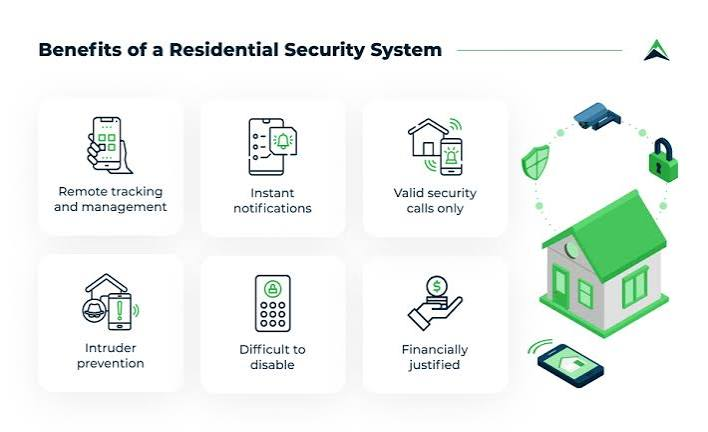
Smart Systems provide many advantages for individuals, businesses, and governments.
Improved Efficiency
One of the biggest benefits of Smart Systems is improved efficiency. These systems complete tasks faster and reduce unnecessary effort.
Cost Reduction
By optimizing resources and reducing waste, Smart Systems help save money. Businesses can lower operational costs through automation and intelligent management.
Better Decision Making
Smart Systems analyze large amounts of data and provide useful insights. This helps people and organizations make better decisions.
Increased Security
Modern security systems use smart technology to identify threats and provide instant alerts, making homes and workplaces safer.
Frequently Asked Questions (FAQs) About Smart Systems
1. What are Smart Systems?
Smart Systems are intelligent technology solutions that use artificial intelligence, sensors, automation, and data analysis to collect information, make decisions, and perform tasks automatically. They help improve efficiency, convenience, and productivity in different areas of life.
2. How do Smart Systems work?
Smart Systems work by collecting data through sensors, processing information using advanced software and artificial intelligence, and taking automated actions based on the results. These systems can learn from data and improve their performance over time.
3. Why are Smart Systems important?
Smart Systems are important because they help people and businesses save time, reduce costs, improve accuracy, and make better decisions. They are widely used in homes, healthcare, industries, transportation, and smart cities.
4. Where are Smart Systems used?
Smart Systems are used in many fields, including smart homes, healthcare, agriculture, education, manufacturing, security, transportation, and business operations. They help create faster and more efficient solutions.
5. What technologies are used in Smart Systems?
Smart Systems use various technologies such as artificial intelligence (AI), machine learning, Internet of Things (IoT), cloud computing, sensors, robotics, and data analytics to provide intelligent services.
6. What are the benefits of Smart Systems?
The main benefits of Smart Systems include improved efficiency, better security, reduced expenses, automatic control, accurate decision-making, and improved user experience.
7. Are Smart Systems safe to use?
Smart Systems are generally safe when they are properly designed and protected with strong security measures. Using updated software, secure passwords, and privacy settings can help protect smart devices and data.
8. How do Smart Systems help businesses?
Smart Systems help businesses by automating routine tasks, analyzing customer data, improving productivity, reducing operational costs, and helping companies make smarter decisions.
9. What is the future of Smart Systems?
The future of Smart Systems is expected to grow with advancements in artificial intelligence, robotics, and connected devices. More industries will adopt intelligent systems to improve services and create innovative solutions.
10. What is the difference between traditional systems and Smart Systems?
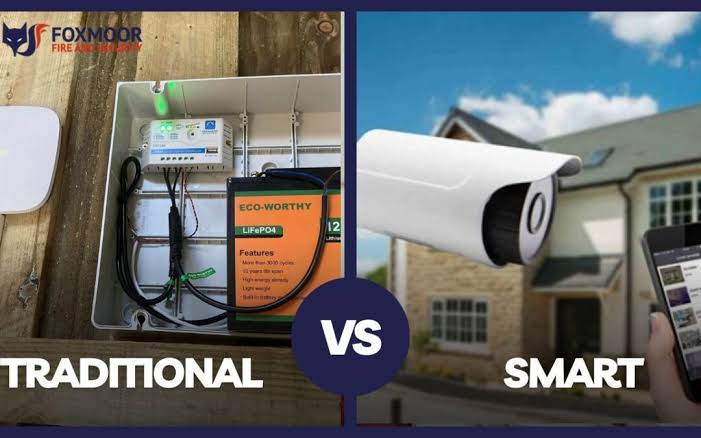
Traditional systems follow fixed instructions and require more human control, while Smart Systems can analyze data, learn from experiences, and automatically adjust their actions according to changing situations.
Conclusion
Smart Systems are changing the way people live and work by bringing intelligence, automation, and connectivity into everyday activities. These advanced technologies help improve efficiency, reduce costs, and provide smarter solutions in areas such as healthcare, homes, businesses, and industries. With the support of artificial intelligence, sensors, and data analysis, Smart Systems continue to make processes faster and more reliable.
As technology develops, the importance of Smart Systems will continue to increase. They will play a major role in creating a more connected, secure, and efficient future. Businesses and individuals can benefit greatly by adopting these intelligent solutions.