Introduction
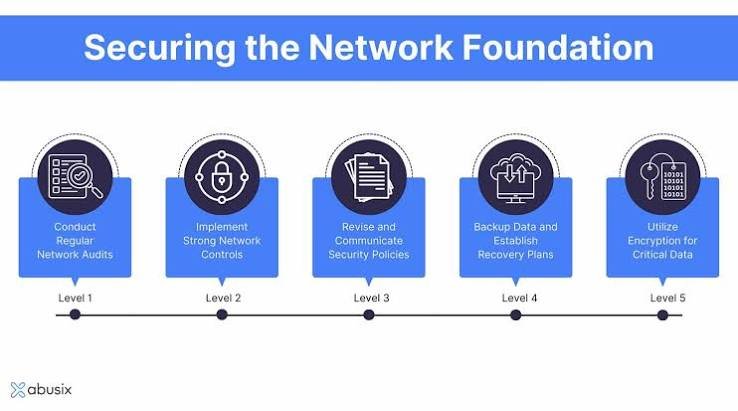
In today’s connected world, almost every organization depends on computer networks to operate efficiently. Businesses store important information online, employees communicate through digital platforms, and customers use internet services every day. With this rapid growth of technology, protecting these networks has become more important than ever.
Network Security is the process of protecting computer networks, devices, applications, and data from unauthorized access, cyber attacks, misuse, and security threats. It combines different technologies, security policies, and practices to ensure that digital systems remain safe and reliable.
Cyber criminals are continuously developing new methods to steal information, damage systems, and exploit network weaknesses. From small businesses to large global companies, every organization faces potential security risks. A strong network security strategy helps prevent these threats and keeps sensitive information protected.
This complete guide explains what network security is, why it matters, how it works, common threats, important tools, and the best practices businesses and individuals can follow to improve their protection.
What Is Network Security?
Network Security refers to the combination of technologies, processes, and rules designed to protect a network from unauthorized activities. The main goal of network security is to maintain confidentiality, integrity, and availability of information.
A secure network prevents attackers from accessing private data, changing important files, or disrupting services. It protects everything connected to the network, including computers, servers, mobile devices, cloud systems, and internet connections.
Network security is an essential part of modern cybersecurity because most cyber attacks begin through network weaknesses. Without proper protection, attackers can exploit vulnerabilities and gain access to valuable resources.
Why Is Network Security Important?
The importance of network security has increased because businesses and individuals rely heavily on digital technology. Every day, millions of cyber threats attempt to compromise networks around the world.
Protection Against Cyber Attacks
Hackers use different techniques such as malware, phishing, ransomware, and unauthorized access attempts to target networks. Effective network security helps detect and block these attacks before serious damage occurs.
Protecting Sensitive Information
Networks often contain confidential information, including customer details, financial records, business documents, and personal data. Strong security measures prevent unauthorized users from stealing or exposing this information.
Maintaining Business Operations
A successful cyber attack can stop business operations, causing financial losses and reputation damage. Network security ensures systems remain available and organizations can continue working without major interruptions.
Building Customer Trust
Customers expect companies to protect their personal information. Businesses with strong security practices create trust and improve their reputation.
How Does Network Security Work?
Network security works through multiple layers of protection. Instead of depending on a single security method, organizations use different technologies together to create a stronger defense system.
Firewalls
Firewalls are one of the most common network security tools. They monitor incoming and outgoing traffic and block suspicious connections based on security rules.
Encryption
Encryption converts information into a protected format that cannot easily be understood by unauthorized users. It helps secure sensitive data during storage and transmission.
Access Control
Access control limits who can use network resources. Organizations give permissions only to authorized users, reducing the chances of internal security problems.
Intrusion Detection Systems
Intrusion Detection Systems monitor network activity and identify unusual behavior that may indicate an attack.
Antivirus and Malware Protection
Security software detects and removes harmful programs that can damage networks or steal information.
Common Network Security Threats
Modern networks face many types of threats. Understanding these risks helps organizations prepare better security strategies.
Malware Attacks
Malware is harmful software created to damage systems, steal information, or gain unauthorized access. Viruses, spyware, and ransomware are common examples.
Phishing Attacks
Phishing uses fake emails, messages, or websites to trick users into sharing passwords and sensitive information.
Ransomware
Ransomware locks files or systems and demands payment to restore access. It has become one of the biggest threats for organizations worldwide.
Unauthorized Access
Weak passwords and poor security settings can allow attackers to enter private networks.
Distributed Denial of Service Attacks
DDoS attacks overload networks with excessive traffic, making websites and online services unavailable.
Benefits of Strong Network Security
A reliable network security system provides many advantages:
- Protects important business data
- Reduces financial losses caused by cyber attacks
- Improves system reliability
- Supports safe remote working
- Helps organizations meet security standards
- Protects customer privacy
- Creates a safer digital environment
Network Security Architecture: Building a Strong Defense System
Network security architecture is the structured design of security technologies, policies, and processes used to protect a network. A well-designed architecture creates multiple layers of protection so that if one security method fails, other defenses can still protect the system.
Modern organizations use advanced network security architectures because cyber threats are becoming more complex. A strong architecture focuses on prevention, detection, response, and recovery.
Main Components of Network Security Architecture
1. Network Segmentation
Network segmentation divides a large network into smaller sections. This prevents attackers from moving freely through the entire system if they gain access to one area.
For example, a company may separate customer databases, employee systems, and public websites into different network segments. This reduces security risks and limits potential damage.
2. Security Gateways
Security gateways control the movement of information between different networks. They inspect traffic and block suspicious activities before they reach important systems.
Common security gateways include:
- Firewalls
- Secure web gateways
- Email security gateways
- Virtual private network gateways
3. Identity and Access Management
Identity and Access Management (IAM) ensures that only approved users can access specific resources. It uses authentication methods such as passwords, security keys, and biometric verification.
Strong identity management reduces the risk of unauthorized access and protects sensitive business information.
4. Security Monitoring Systems
Continuous monitoring helps organizations identify unusual network behavior quickly. Security teams use monitoring tools to detect possible attacks and respond before major damage occurs.
Important Network Security Tools
Organizations use different tools to protect their networks. Each tool provides a specific layer of security.
Firewall Systems
A firewall acts as a security barrier between trusted and untrusted networks. It examines traffic and decides whether connections should be allowed or blocked.
Modern firewalls can provide advanced features such as:
- Application control
- Threat detection
- Traffic filtering
- Real-time monitoring
Antivirus and Endpoint Protection
Endpoint security protects computers, laptops, smartphones, and other connected devices. It detects malicious software and prevents infections from spreading across networks.
Intrusion Prevention Systems
Intrusion Prevention Systems (IPS) actively identify and stop suspicious activities. Unlike simple monitoring systems, IPS can automatically block certain attacks.
Virtual Private Networks
A Virtual Private Network (VPN) creates a secure connection between users and networks. It encrypts internet traffic and is commonly used for remote employees.
Security Information and Event Management
Security Information and Event Management (SIEM) systems collect security data from different sources and analyze it to identify possible threats.
Network Security Best Practices
Following proper security practices can significantly improve network protection.
Use Strong Password Policies
Weak passwords are one of the easiest ways for attackers to access networks. Organizations should encourage users to create strong passwords and update them regularly.
A strong password should include:
- Uppercase letters
- Lowercase letters
- Numbers
- Special characters
- Sufficient length
Enable Multi-Factor Authentication
Multi-factor authentication adds an additional security layer by requiring more than one verification method.
Even if a password is stolen, attackers may still be unable to access the account without the second verification step.
Keep Software Updated
Outdated software often contains security weaknesses. Regular updates and patches fix vulnerabilities and improve system protection.
Regular Security Audits
Security audits help organizations discover weaknesses in their network systems. Regular testing allows companies to improve their defenses before attackers exploit vulnerabilities.
Train Employees About Security
Employees are an important part of network security. Security awareness training helps users recognize phishing emails, suspicious links, and unsafe online behavior.
Cloud Network Security
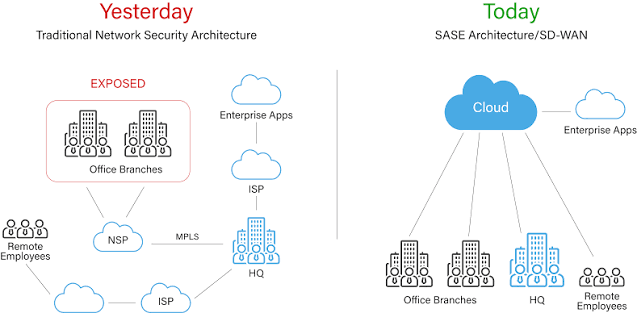
Cloud technology has changed how organizations store and manage information. While cloud services provide flexibility and scalability, they also create new security challenges.
Cloud network security focuses on protecting cloud-based applications, data, and infrastructure.
Common Cloud Security Challenges
Some common cloud security risks include:
- Misconfigured cloud settings
- Unauthorized access
- Data leaks
- Weak authentication
- Insecure applications
Cloud Security Solutions
Organizations can improve cloud security by using:
- Data encryption
- Access management systems
- Cloud monitoring tools
- Regular security assessments
- Strong authentication methods
Cloud providers and customers must work together to maintain a secure environment.
Wireless Network Security
Wireless networks provide convenience, but they can also create security risks if they are not properly protected.
Hackers can attempt to intercept wireless signals, access devices, or steal information from unsecured networks.
Ways to Improve Wireless Network Security
Use Strong Wi-Fi Encryption
Modern encryption standards help protect wireless communication from unauthorized access.
Change Default Router Settings
Many devices come with default usernames and passwords. Changing these settings reduces the risk of unauthorized access.
Hide Sensitive Network Information
Limiting unnecessary network visibility can make it harder for attackers to discover systems.
Monitor Connected Devices
Regularly checking connected devices helps identify unknown users or suspicious activity.
The Role of Artificial Intelligence in Network Security
Artificial Intelligence (AI) is becoming an important technology in modern network security. AI systems can analyze large amounts of data and identify threats faster than traditional methods.
Benefits of AI-Based Network Security
AI helps organizations by:
- Detecting unusual behavior
- Automating threat responses
- Predicting possible attacks
- Reducing security workload
- Improving real-time monitoring
Cyber attackers are also using AI techniques, which means security teams must continue developing advanced protection methods.
Network Security for Small Businesses
Many small businesses believe they are not targets for cyber attacks, but attackers often choose smaller organizations because they may have weaker security systems.
Small businesses can improve network security by:
- Installing reliable security software
- Using secure passwords
- Training employees
- Backing up important data
- Updating systems regularly
- Limiting user access
A basic security investment can prevent serious financial and operational damage.
Frequently Asked Questions (FAQs) About Network Security
1. What is Network Security?
Network Security is the practice of protecting computer networks, connected devices, and digital information from unauthorized access, cyber attacks, and security threats. It uses technologies, policies, and security methods to keep networks safe and reliable.
2. Why is Network Security important?
Network Security is important because it protects sensitive information, prevents cyber attacks, reduces financial losses, and helps businesses maintain secure digital operations. Without proper security, networks can become vulnerable to hackers, malware, and data breaches.
3. What are the main types of Network Security?
The main types of Network Security include:
- Firewall security
- Access control
- Antivirus protection
- Network monitoring
- Encryption
- Wireless security
- Cloud network security
- Intrusion prevention systems
Each type provides a different layer of protection against cyber threats.
4. What are common Network Security threats?
Common Network Security threats include:
- Malware attacks
- Phishing scams
- Ransomware
- Password attacks
- Data breaches
- Unauthorized access
- DDoS attacks
- Network vulnerabilities
Organizations need strong security strategies to protect against these risks.
5. How does a firewall improve Network Security?
A firewall improves Network Security by monitoring incoming and outgoing network traffic. It blocks suspicious connections and prevents unauthorized users from accessing protected systems.
6. What is the difference between Network Security and Cyber Security?
Network Security focuses mainly on protecting computer networks and the data moving through them. Cyber Security is a broader field that includes protecting networks, applications, devices, websites, and digital information from cyber threats.
7. How can businesses improve Network Security?
Businesses can improve Network Security by:
- Using strong passwords
- Enabling multi-factor authentication
- Updating software regularly
- Installing security tools
- Training employees
- Performing security audits
- Creating backup systems
These practices help reduce security risks.
8. What tools are used for Network Security?
Common Network Security tools include:
- Firewalls
- VPNs
- Antivirus software
- Intrusion Detection Systems
- Intrusion Prevention Systems
- SIEM solutions
- Encryption tools
- Network monitoring software
These tools help identify and prevent security problems.
9. Is Network Security important for small businesses?
Yes, Network Security is extremely important for small businesses. Cyber criminals often target smaller organizations because they may have fewer security resources. Proper protection helps prevent data loss, financial damage, and reputation problems.
10. What is the future of Network Security?
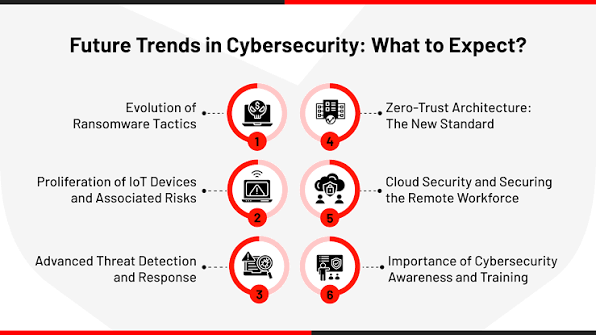
The future of Network Security will include more advanced technologies such as artificial intelligence, machine learning, automation, and zero-trust security models. As cyber threats continue to evolve, organizations will need stronger and smarter security solutions.
Conclusion: Why Network Security Matters in the Digital Age
Network Security has become one of the most important areas of modern technology. As businesses, governments, and individuals continue to depend on digital systems, protecting networks from cyber threats is more necessary than ever.
A secure network helps protect valuable information, maintain business operations, and create a safer online environment. Cyber criminals are constantly developing new attack methods, which means organizations must continuously improve their security strategies.
Using strong passwords, encryption, firewalls, access controls, regular updates, and security awareness training can significantly reduce network risks. Companies that invest in Network Security not only protect their data but also build trust with customers and partners.
In the future, technologies such as artificial intelligence, automation, and advanced threat detection will play a major role in improving network protection. However, technology alone is not enough. Effective security requires a combination of reliable tools, smart policies, and responsible user behavior.
Whether you are running a large enterprise, a small business, or managing personal devices, Network Security should be a priority. A protected network is the foundation of a safe and successful digital world.