Introduction
Natural language is one of the most powerful tools humans have developed for communication. Every conversation, book, article, message, and idea shared between people depends on language. Unlike programming languages that follow strict rules, natural language is flexible, emotional, and constantly changing.
In today’s digital world, natural language has become more important because technology is learning how to understand and generate human communication. From voice assistants and search engines to advanced AI systems, natural language technology is transforming the way people interact with machines.
The field of Natural Language Processing (NLP) combines computer science, artificial intelligence, and linguistics to help computers understand human language. This technology allows machines to read text, understand meaning, recognize speech, translate languages, and create human-like responses.
This complete guide explains what natural language is, how it works, why it matters, and how it is shaping the future of communication.
What Is Natural Language?
Natural language refers to the languages that humans naturally create and use for communication. Examples include English, Spanish, Chinese, Arabic, Hindi, and thousands of other languages spoken around the world.
Unlike computer programming languages, natural languages are not created by engineers. They develop through culture, history, and human interaction.
Natural language includes:
- Spoken communication
- Written communication
- Regional expressions
- Grammar rules
- Vocabulary
- Emotions and meanings
- Social context
For example, the sentence:
“It is raining cats and dogs.”
A computer without language understanding may think animals are falling from the sky. However, humans understand that this phrase means heavy rain.
This ability to understand hidden meanings is what makes natural language complex.
Why Is Natural Language Important?
Language is the foundation of human knowledge. Almost all information created by humans exists in some form of language.
Natural language allows people to:
- Share ideas
- Record history
- Teach others
- Express emotions
- Build relationships
- Exchange information
In the digital age, billions of pages of text are created every day. Businesses, governments, researchers, and individuals need advanced technology to organize and understand this information.
Natural language technology helps machines process this huge amount of information efficiently.
Natural Language and Artificial Intelligence
Artificial Intelligence has made significant progress in understanding human language. Modern AI systems use advanced algorithms to analyze words, sentences, and context.
Natural Language AI allows computers to perform tasks such as:
- Answering questions
- Writing content
- Translating languages
- Summarizing documents
- Detecting emotions
- Understanding customer requests
AI systems do not understand language exactly like humans. Instead, they analyze patterns from large amounts of data to predict meaning and generate responses.
What Is Natural Language Processing (NLP)?
Natural Language Processing is a branch of artificial intelligence that focuses on communication between humans and computers.
The main goal of NLP is to enable computers to understand, interpret, and generate human language.
NLP combines:
- Artificial intelligence
- Machine learning
- Linguistics
- Statistics
- Data science
Some common examples of NLP include:
Search Engines
Search engines use NLP to understand what users are searching for and provide relevant results.
Voice Assistants
Tools like voice assistants use speech recognition and language understanding to respond to human commands.
Translation Systems
Online translation services use NLP models to convert text from one language to another.
Chatbots
Customer service chatbots use conversational AI to communicate with users and solve problems.
Part 2: How Natural Language Processing Works
Natural Language Processing works by allowing computers to analyze and understand human language through different stages. Since human language contains complex meanings, emotions, and cultural references, machines need advanced methods to process it.
The process of NLP usually includes collecting language data, analyzing patterns, understanding context, and generating useful responses.
How Does Natural Language Processing Work?
1. Data Collection
The first step in natural language processing is collecting large amounts of language data. This data can come from:
- Books
- Websites
- Articles
- Social media posts
- Customer conversations
- Digital documents
- Voice recordings
AI systems learn language patterns by studying millions or billions of examples. The more diverse the data, the better the system becomes at understanding different communication styles.
2. Text Processing
Before a computer can understand language, it must convert raw text into a format that machines can analyze.
Text processing includes several important techniques:
Tokenization
Tokenization means breaking text into smaller parts called tokens.
For example:
“Natural language technology is powerful.”
can be divided into:
- Natural
- language
- technology
- is
- powerful
These smaller units help AI systems analyze sentences.
Removing Unnecessary Information
Computers often remove unnecessary elements such as:
- Extra symbols
- Repeated spaces
- Certain common words
This helps improve processing speed and accuracy.
Word Analysis
AI systems analyze words to understand:
- Meaning
- Relationship between words
- Sentence structure
- Context
For example, the word “bank” can have different meanings:
- A financial institution
- The side of a river
NLP systems use context to determine the correct meaning.
Types of Natural Language Processing
Natural Language Processing has many different areas that help computers communicate with humans.
Natural Language Understanding (NLU)
Natural Language Understanding focuses on helping machines understand the meaning behind human language.
NLU helps computers identify:
- User intention
- Context
- Emotions
- Relationships between words
For example, when a person writes:
“I want to book a flight tomorrow.”
An NLU system understands that the user wants travel assistance.
Natural Language Generation (NLG)
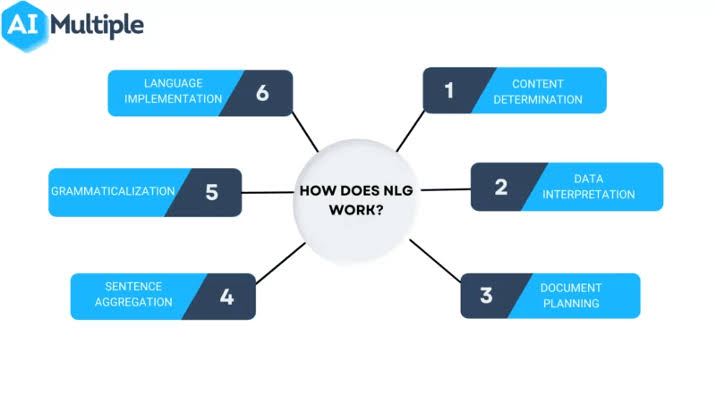
Natural Language Generation is the process of creating human-like text using artificial intelligence.
NLG is used for:
- AI writing assistants
- Automated reports
- Chatbots
- Content generation
- Email responses
The goal of NLG is to create text that sounds natural and meaningful.
Machine Learning and Natural Language
Machine learning plays a major role in modern NLP systems.
Instead of manually programming every language rule, machine learning allows computers to learn from examples.
A machine learning model can identify patterns such as:
- Common phrases
- Sentence structures
- Word relationships
- User behavior
Over time, the system improves its ability to understand and generate language.
Deep Learning in Natural Language Technology
Deep learning has changed the way computers process language.
Deep learning models use artificial neural networks that are inspired by the human brain.
These models can analyze large amounts of information and understand complex language patterns.
Modern AI systems use deep learning for:
- Translation
- Speech recognition
- Text generation
- Question answering
- Content analysis
Large Language Models (LLMs)
Large Language Models are advanced AI systems trained on massive collections of text.
They can:
- Answer questions
- Write articles
- Explain concepts
- Translate languages
- Generate creative content
- Assist with research
LLMs work by learning relationships between words and predicting suitable responses based on context.
Real-World Applications of Natural Language Technology
Natural language technology is now used in many industries.
Healthcare
Healthcare organizations use NLP to analyze medical documents, research papers, and patient information.
Benefits include:
- Faster information processing
- Better medical research
- Improved documentation
Education
Natural language tools help students and teachers by providing:
- Learning assistance
- Language translation
- Writing support
- Personalized education
AI-powered educational platforms can adapt lessons according to student needs.
Business and Customer Service
Companies use NLP to improve communication with customers.
Examples include:
- Customer support chatbots
- Automated email systems
- Feedback analysis
- Market research
Businesses can understand customer opinions and provide faster services.
Marketing and Content Creation
Natural language technology helps marketers analyze trends and create better strategies.
It can assist with:
- Keyword research
- Content planning
- Customer analysis
- Social media monitoring
Natural Language and Search Engines
Search engines have become smarter because of NLP technology.
Earlier search engines mainly matched keywords. Modern systems try to understand:
- Search intent
- Context
- Meaning
- User expectations
For example, if someone searches:
“best ways to improve sleep”
A modern search engine understands that the person wants advice, not just pages containing those exact words.
Benefits of Natural Language Processing
Natural Language Processing provides many advantages.
Saves Time
AI systems can process large amounts of information quickly.
Improves Communication
Machines can help people communicate across different languages.
Increases Productivity
Businesses can automate repetitive language tasks.
Better Data Analysis
Organizations can understand customer opinions and important trends.
Accessibility
Speech and language technology helps people interact with digital systems more easily.
Frequently Asked Questions (FAQs) About Natural Language
1. What is Natural Language?
Natural Language refers to the languages that humans naturally use for communication, such as English, Spanish, Chinese, and Arabic. It includes spoken words, written text, emotions, and cultural expressions that people use every day.
2. What is Natural Language Processing (NLP)?
Natural Language Processing (NLP) is a branch of artificial intelligence that helps computers understand, analyze, and generate human language. NLP allows machines to process text, recognize speech, translate languages, and communicate with users.
3. Why is Natural Language important in AI?
Natural Language is important in AI because it allows humans to interact with machines using normal communication instead of complicated commands. AI systems use natural language technology to understand questions, provide answers, and complete tasks.
4. What are examples of Natural Language Processing?
Common examples of NLP include:
- Voice assistants
- Chatbots
- Language translation tools
- Search engines
- AI writing assistants
- Sentiment analysis systems
These technologies use NLP to understand and respond to human language.
5. How does Natural Language Processing work?
NLP works by analyzing large amounts of language data and identifying patterns in words, sentences, and meanings. It uses machine learning, deep learning, and linguistic techniques to help computers understand human communication.
6. What is the difference between Natural Language and Programming Language?
Natural language is created and used by humans for communication, while programming language is designed to give instructions to computers. Natural language is flexible and can have multiple meanings, whereas programming languages follow strict rules.
7. How is Natural Language used in business?
Businesses use natural language technology for customer support, automated responses, data analysis, marketing research, and improving communication with customers.
8. Can AI understand human language completely?
AI can understand many aspects of human language, but it does not think or understand language exactly like humans. AI identifies patterns and uses data to generate responses based on learned information.
9. What is the future of Natural Language Technology?
The future of natural language technology includes smarter AI assistants, improved translation systems, advanced search engines, and more natural communication between humans and machines.
10. Why is Natural Language Processing growing rapidly?
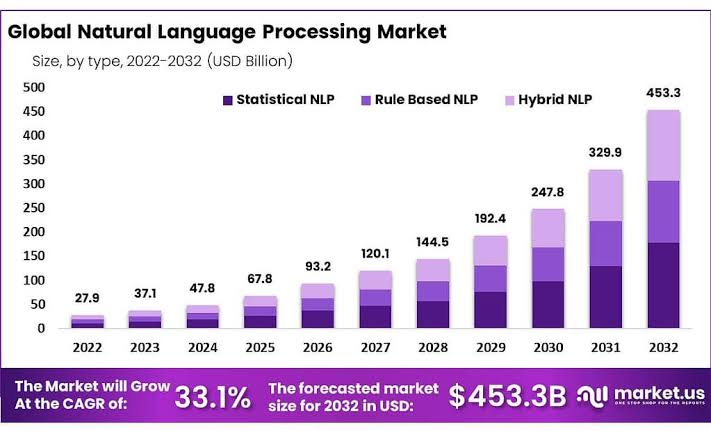
NLP is growing because businesses and individuals need faster ways to manage information, communicate globally, and automate everyday tasks. Advances in artificial intelligence and computing power are making NLP more powerful.
Conclusion: The Future of Natural Language
Natural Language is the foundation of human communication, and its connection with artificial intelligence is changing the way people interact with technology. From simple text analysis to advanced AI conversations, natural language technology has become an essential part of the digital world.
Natural Language Processing allows computers to understand human messages, analyze information, and generate meaningful responses. It is helping industries such as healthcare, education, business, marketing, and customer service improve efficiency and create better experiences.
Although machines still face challenges in understanding emotions, cultural differences, and complex human expressions, continuous developments in artificial intelligence are making language technology more accurate and powerful.