Introduction
Machine Learning has become one of the most powerful and transformative technologies in the modern digital world. From smartphones and search engines to healthcare systems and self-driving vehicles, machine learning is changing the way people interact with technology. It allows computers to learn from data, identify patterns, make decisions, and improve their performance without being directly programmed for every task.
In today’s fast-moving world, businesses, researchers, and individuals are using machine learning to solve complex problems and create smarter solutions. The growth of big data, advanced computing power, and artificial intelligence has made machine learning one of the most important fields of technology.
Many technologies that people use every day depend on machine learning. Recommendation systems on streaming platforms, voice assistants, online shopping suggestions, fraud detection systems, and personalized advertisements are all examples of machine learning applications.
This detailed guide explains everything about machine learning, including its meaning, history, working process, types, algorithms, applications, advantages, challenges, and future possibilities.
What Is Machine Learning?
Machine Learning is a branch of Artificial Intelligence that enables computers and software systems to learn from experience and improve automatically without requiring constant human programming.
Traditional computer programs follow a fixed set of instructions created by developers. In contrast, machine learning systems analyze large amounts of data, discover patterns, and use those patterns to make predictions or decisions.
For example, a normal computer program may need specific rules to identify spam emails. A machine learning system can analyze thousands of emails, learn the difference between spam and normal messages, and automatically classify future emails.
The main idea behind machine learning is simple:
Data + Algorithms + Learning Process = Intelligent System
The more quality data a machine learning model receives, the better it can become at recognizing patterns and making accurate predictions.
Why Is Machine Learning Important?
Machine Learning is important because modern society produces enormous amounts of data every day. Humans cannot manually analyze all this information, but machine learning systems can process large datasets quickly and efficiently.
Companies use machine learning to understand customers, improve services, reduce costs, and make better decisions. Governments use it for security, public services, and research. Scientists use it to discover new information and solve difficult problems.
Some major reasons why machine learning is important include:
1. Faster Decision Making
Machine learning systems can analyze information within seconds and provide useful insights. This helps organizations make faster and more accurate decisions.
2. Automation of Tasks
Machine learning can automate repetitive tasks, allowing humans to focus on more creative and strategic activities.
3. Better Predictions
Businesses use machine learning to predict customer behavior, market trends, equipment failures, and future demands.
4. Improved User Experience
Many digital services use machine learning to personalize experiences according to user interests and preferences.
History of Machine Learning
The concept of machine learning started many decades ago when scientists began exploring whether computers could imitate human intelligence.
In the 1950s, researchers started developing early artificial intelligence concepts. One of the earliest examples was the creation of programs that could play games and solve mathematical problems.
The term “Machine Learning” became popular through research focused on creating computers that could learn from data rather than simply follow instructions.
During the 1980s and 1990s, improvements in computer technology and data availability helped machine learning develop rapidly. Researchers created better algorithms that allowed computers to recognize patterns more effectively.
In the 21st century, machine learning experienced massive growth because of:
- Increased computing power
- Availability of large datasets
- Cloud computing
- Advanced algorithms
- Development of neural networks
Today, machine learning is a major part of artificial intelligence and continues to expand into almost every industry.
How Does Machine Learning Work?
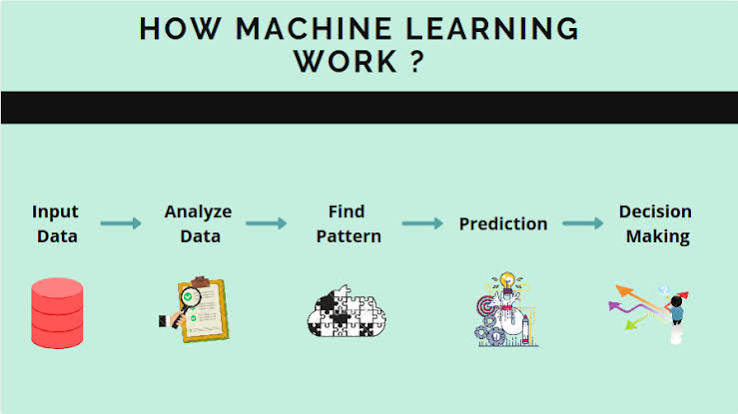
Machine learning works by training computer systems using data. The learning process usually includes several important steps.
1. Data Collection
The first step is collecting relevant data. Data can come from websites, sensors, customer records, images, videos, text, or other digital sources.
High-quality data is essential because machine learning models learn from the information provided to them.
2. Data Preparation
Before training a model, data must be cleaned and organized. This process removes errors, duplicates, and unnecessary information.
3. Model Training
During training, machine learning algorithms analyze the data and identify patterns. The system adjusts itself based on the examples it receives.
4. Testing and Improvement
After training, the model is tested with new data to check its accuracy. Developers improve the model by adjusting algorithms and providing better data.
5. Deployment
Once the model performs well, it can be used in real-world applications such as recommendation systems, medical tools, or business software.
Frequently Asked Questions (FAQs) About Machine Learning
1. What is Machine Learning in simple words?
Machine Learning is a technology that allows computers to learn from data and improve their performance without being directly programmed for every task. It helps machines identify patterns, make predictions, and take intelligent decisions.
2. What is the difference between Artificial Intelligence and Machine Learning?
Artificial Intelligence is a broad field that focuses on creating machines capable of performing tasks that usually require human intelligence. Machine Learning is a part of Artificial Intelligence that enables computers to learn from data and improve automatically.
3. How does Machine Learning work?
Machine Learning works by collecting data, analyzing patterns, training algorithms, and creating models that can make predictions or decisions based on new information.
4. What are the main types of Machine Learning?
The three main types of Machine Learning are:
- Supervised Learning
- Unsupervised Learning
- Reinforcement Learning
Each type uses different methods to help machines learn from data.
5. Where is Machine Learning used?
Machine Learning is used in many industries, including healthcare, finance, education, marketing, transportation, cybersecurity, and entertainment. Examples include recommendation systems, fraud detection, voice recognition, and medical diagnosis.
6. Is Machine Learning difficult to learn?
Machine Learning can be challenging because it involves mathematics, programming, and data analysis. However, beginners can learn it step by step with proper resources and practice.
7. Which programming languages are used for Machine Learning?
Python is the most popular programming language for Machine Learning because of its powerful libraries and simple syntax. Other languages such as R, Java, and C++ are also used.
8. What are Machine Learning algorithms?
Machine Learning algorithms are mathematical methods that allow computers to learn from data. Examples include decision trees, neural networks, support vector machines, and linear regression.
9. Can Machine Learning replace human jobs?
Machine Learning can automate many repetitive tasks, but it also creates new opportunities in technology, research, data science, and other fields. Human skills such as creativity, decision-making, and problem-solving remain important.
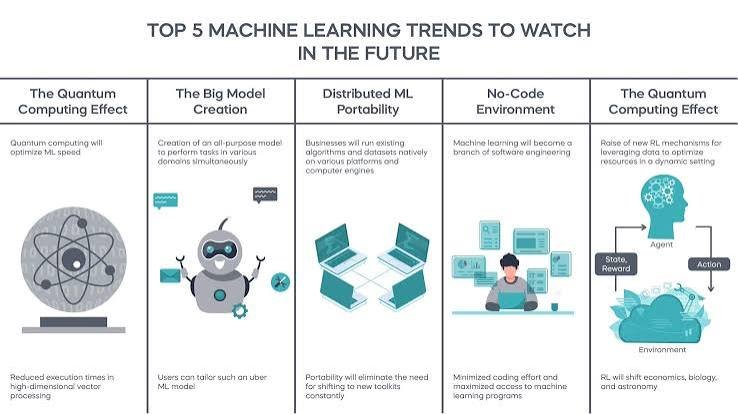
10. What is the future of Machine Learning?
The future of Machine Learning is expected to bring smarter systems, improved automation, better healthcare solutions, advanced robotics, and more personalized digital experiences.
Conclusion
Machine Learning has become one of the most important technologies shaping the future of the digital world. It allows computers to learn from experience, analyze large amounts of information, and make intelligent decisions with increasing accuracy.
From healthcare and finance to education and entertainment, machine learning is improving the way people work and interact with technology. Businesses are using machine learning to understand customers, increase efficiency, and develop innovative products and services.
Although machine learning has many advantages, it also comes with challenges such as data privacy, security risks, and the need for high-quality information. Responsible development and ethical use are essential to ensure that machine learning benefits society.