
Introduction: What Is Future Technology?
Future Technology refers to the advanced innovations, tools, and systems that are expected to transform the way humans live, work, communicate, and solve problems in the coming years. Technology has always played an important role in human progress, from the invention of the wheel to the development of computers and the internet. However, modern advancements are happening faster than ever before, creating a new era of possibilities.
The future of technology is not limited to one specific field. It includes artificial intelligence, robotics, biotechnology, renewable energy, space exploration, smart cities, quantum computing, and many other areas. These innovations are designed to improve efficiency, increase productivity, and create solutions for global challenges.
As businesses, governments, and individuals continue to adopt new technologies, the world is moving toward a more connected and intelligent future. Understanding Future Technology helps us prepare for upcoming changes and discover opportunities that can improve our quality of life.
The Evolution of Future Technology
Technology has continuously evolved throughout history. Early humans created simple tools to make daily tasks easier, while modern society has developed highly advanced systems capable of performing complex operations.
The industrial revolution introduced machines that changed manufacturing and transportation. Later, the digital revolution brought computers, smartphones, and the internet, connecting billions of people worldwide. Today, we are entering a new technological era where machines can learn, analyze information, and make intelligent decisions.
Future Technology represents the next stage of this evolution. It focuses on creating smarter, faster, and more sustainable solutions that can address human needs and improve different industries.
Artificial Intelligence: The Foundation of Future Technology
Artificial Intelligence (AI) is one of the most important parts of Future Technology. AI allows machines to simulate human intelligence by learning from data, recognizing patterns, and making decisions.
AI is already being used in many areas, including healthcare, education, finance, transportation, and entertainment. In the future, AI systems are expected to become even more powerful and helpful.
Some major applications of AI include:
- Smart personal assistants
- Automated business solutions
- Medical diagnosis systems
- Self-driving vehicles
- Advanced security systems
- Personalized learning platforms
Artificial Intelligence will continue to influence the future by helping humans solve complex problems and improve everyday experiences.
Robotics and Automation in the Future
Robotics is another important area of Future Technology. Robots are becoming more advanced, flexible, and capable of performing tasks that once required human effort.
Industries are already using robots for manufacturing, packaging, healthcare assistance, and scientific research. Future robots may become common in homes, offices, and public spaces.
Automation will help businesses increase productivity, reduce errors, and complete tasks more efficiently. However, it will also create a need for new skills as people adapt to changing job environments.
The Role of Smart Devices in Future Technology
Smart devices are becoming an essential part of modern life. From smartphones and smart watches to smart homes, connected technology is changing how people interact with the world.
The future will bring even more intelligent devices that can understand user behavior and provide personalized services. Smart homes may automatically manage lighting, security, temperature, and energy consumption.
The Internet of Things (IoT) will connect billions of devices, allowing them to communicate and work together. This connected ecosystem will create smarter communities and improve convenience.
Future Technology and Human Life
Future Technology will have a significant impact on human life. It will change how people work, learn, travel, and communicate.
Healthcare may become more accurate through advanced medical technology. Education may become more personalized through digital learning systems. Transportation may become safer with autonomous vehicles and intelligent traffic management.
Although technology brings many benefits, responsible development is important to ensure that innovation supports humanity and creates a balanced future.
Future Technology in Different Industries
Future Technology in Healthcare
Healthcare is one of the biggest fields that will be transformed by Future Technology. Modern medical systems are already using artificial intelligence, robotics, and advanced data analysis to improve patient care.
In the future, doctors may use highly advanced AI systems to detect diseases at an early stage. These systems can analyze medical reports, images, and patient history to provide faster and more accurate information.
Robotic surgery is another important development. Future robotic systems may allow doctors to perform complex operations with greater precision and fewer risks. These technologies can help improve recovery time and make medical treatments more accessible.
Wearable health devices will also become more advanced. Smart watches and health sensors may continuously monitor important health information such as heart rate, sleep patterns, and physical activity. This data can help people maintain healthier lifestyles.
Future Technology may also support personalized medicine, where treatments are designed according to an individual’s unique health conditions and genetic information.
Future Technology in Education
Education is another area where Future Technology will create major changes. Traditional classrooms are slowly transforming into digital learning environments where students can access knowledge from anywhere.
Artificial Intelligence-powered learning platforms can provide personalized lessons based on a student’s abilities and learning speed. This means every student can receive education according to their individual needs.
Virtual Reality (VR) and Augmented Reality (AR) will make learning more interactive. Students may explore historical places, conduct virtual science experiments, and understand difficult concepts through realistic digital experiences.
Online education platforms will continue to grow, allowing people around the world to learn new skills without geographical limitations.
Future Technology will make education more flexible, engaging, and accessible for everyone.
Future Technology in Business
Businesses are adopting new technologies to improve efficiency and provide better services. Future Technology will continue to change the business world by introducing smarter systems and automated processes.
Artificial Intelligence can help companies analyze customer behavior, predict market trends, and improve decision-making. Businesses will use advanced software to manage operations, marketing, and customer support.
Automation will reduce repetitive tasks and allow employees to focus on creative and strategic work. Companies that adopt new technologies will have better opportunities to compete in global markets.
Cloud computing, blockchain, and advanced analytics will also play important roles in future business development.
Future Technology and Transportation
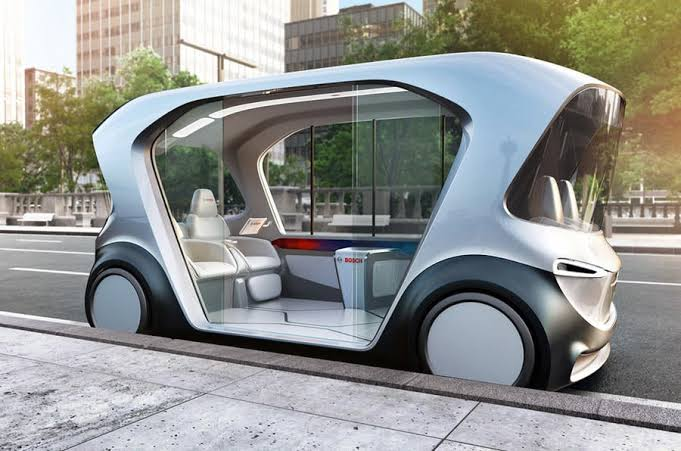
Transportation is expected to experience significant changes because of Future Technology. Self-driving vehicles, electric cars, and intelligent transportation systems are already being developed around the world.
Autonomous vehicles use sensors, cameras, and AI technology to understand roads and make driving decisions. In the future, these vehicles may improve road safety and reduce accidents.
Electric transportation will also become more common as countries focus on reducing pollution and protecting the environment. Battery technology improvements will make electric vehicles faster, more affordable, and more efficient.
Future smart transportation systems may include automated traffic control, flying vehicles, and advanced public transportation networks.
Future Technology and Space Exploration
Space exploration is another exciting area influenced by Future Technology. Advanced spacecraft, artificial intelligence, and robotics are helping humans explore beyond Earth.
Future missions may focus on exploring the Moon, Mars, and other planets. Robots powered by AI can collect information from distant locations where humans cannot easily travel.
Space technology may also help solve problems on Earth by improving communication systems, weather monitoring, and environmental research.
As technology improves, humans may discover new possibilities for space travel and exploration.
Renewable Energy and Future Technology
Energy is one of the biggest challenges facing the world today. Future Technology will play an important role in creating cleaner and more sustainable energy solutions.
Solar energy, wind energy, and advanced battery systems are developing rapidly. Future innovations may make renewable energy cheaper and more efficient.
Smart energy systems will help manage electricity usage and reduce waste. Homes and businesses may use intelligent systems to produce and store their own energy.
Green technology will become essential for creating a sustainable future and protecting the planet.
Quantum Computing: The Next Generation of Computing
Quantum computing is considered one of the most advanced areas of Future Technology. Unlike traditional computers, quantum computers use special principles of physics to process information in new ways.
These computers may solve complex problems much faster than current systems. They could help in areas such as medicine research, climate studies, cybersecurity, and scientific discoveries.
Although quantum computing is still developing, it has the potential to create major changes in the future of technology.
The Impact of Future Technology on Daily Life
Future Technology will influence almost every part of daily life. People may experience smarter homes, faster communication, improved healthcare, and more convenient services.
Smart assistants may help manage schedules, shopping, entertainment, and personal tasks. Digital systems may become more personalized and understand human needs better.
Technology will continue to make life easier, but people will also need to learn new skills to adapt to these changes.
Benefits of Future Technology
Future Technology provides many advantages for individuals, businesses, and society.
Some major benefits include:
- Improved healthcare services
- Faster communication
- Better education opportunities
- Increased productivity
- Safer transportation
- Cleaner energy solutions
- More efficient business operations
- New career opportunities
These advantages show how technology can create positive changes when it is developed and used responsibly.
Frequently Asked Questions (FAQs) About Future Technology
1. What is Future Technology?
Future Technology refers to advanced innovations and developments that are expected to change the way people live, work, and communicate in the coming years. It includes artificial intelligence, robotics, smart devices, quantum computing, renewable energy, and other modern technologies.
2. How will Future Technology change our lives?
Future Technology will make daily life easier by improving healthcare, education, transportation, communication, and business systems. Smart devices, artificial intelligence, and automation will help people save time and complete tasks more efficiently.
3. What are the most important areas of Future Technology?
Some of the most important areas of Future Technology include artificial intelligence, robotics, biotechnology, renewable energy, virtual reality, quantum computing, and smart cities. These fields are expected to create major changes in the future.
4. Will Future Technology create new job opportunities?
Yes, Future Technology is expected to create many new career opportunities in fields such as artificial intelligence, software development, cybersecurity, data science, robotics, and technology management. However, people may need to learn new skills to adapt to changing job requirements.
5. What are the challenges of Future Technology?
Although Future Technology offers many benefits, it also creates challenges such as data privacy concerns, cybersecurity risks, high development costs, and the need for responsible use. Proper planning and ethical practices are important for managing these challenges.
Conclusion
Future Technology is transforming the world by bringing smarter solutions, advanced healthcare, better communication, and sustainable innovations. Artificial intelligence, robotics, and modern systems will continue to improve human life. By using technology responsibly, we can create a safer, faster, and more connected future for upcoming generations.