Introduction to Digital Security
In today’s connected world, digital technology has become an essential part of our daily lives. People use smartphones, computers, online banking, social media platforms, cloud services, and smart devices for personal and professional activities. While technology has made life easier and faster, it has also created new risks. Cybercriminals are constantly developing new methods to steal information, damage systems, and misuse personal data.
This is where Digital Security becomes important.
Digital Security refers to the practices, tools, and technologies used to protect digital devices, online accounts, networks, and personal information from unauthorized access, cyber threats, and harmful activities. Whether you are an individual user, a small business owner, or a large organization, maintaining strong digital security is necessary to stay safe in the online environment.
As more sensitive information moves online, understanding digital security is no longer optional. It has become a basic requirement for protecting privacy, financial assets, and personal identity.
What Is Digital Security?
Digital Security is the protection of digital information and systems against threats such as hacking, malware, phishing attacks, identity theft, and unauthorized access. It involves using security methods that help prevent attackers from gaining control over devices, accounts, and confidential information.
Digital security includes several important areas:
- Protecting passwords and login information
- Securing personal and business data
- Using safe internet browsing practices
- Installing security software
- Protecting devices from malware and viruses
- Maintaining privacy on online platforms
- Creating secure networks
The main goal of digital security is to ensure that information remains private, accurate, and available only to authorized users.
Why Digital Security Is Important
The internet provides many benefits, but it also exposes users to different types of cyber threats. Every day, millions of people share personal information online, including names, addresses, financial details, photos, and business documents. Without proper protection, this information can become a target for cybercriminals.
Strong digital security helps users:
Protect Personal Information
Personal data is valuable. Cybercriminals may use stolen information for identity theft, financial fraud, or other illegal activities. Digital security measures help protect sensitive details from unauthorized access.
Prevent Financial Loss
Online banking, shopping, and digital payments are common today. Hackers often target financial accounts to steal money or payment information. Secure passwords, two-factor authentication, and safe online habits can reduce these risks.
Maintain Privacy
Many online services collect user information. Digital security helps individuals control their data and reduce unwanted access to their personal information.
Protect Businesses
Companies store valuable information such as customer records, employee details, and financial documents. A security breach can cause major financial and reputational damage. Digital security helps businesses protect their operations and customer trust.
Common Digital Security Threats
Understanding common cyber threats is the first step toward better protection. Some of the most common digital security risks include:
Phishing Attacks
Phishing is a technique where attackers send fake emails, messages, or websites to trick users into sharing sensitive information. These messages often appear to come from trusted organizations.
For example, a user may receive an email that looks like it is from a bank asking them to verify account details. If the user enters information on a fake website, attackers can steal their credentials.
Malware
Malware is harmful software designed to damage devices, steal information, or gain unauthorized access. Common types of malware include viruses, spyware, ransomware, and trojans.
Keeping software updated and using reliable security tools can help prevent malware infections.
Weak Passwords
Weak passwords are one of the easiest ways for hackers to access accounts. Many users still create simple passwords that can be guessed quickly.
A strong password should contain:
- A combination of letters, numbers, and symbols
- A unique structure
- Enough length for better protection
- No easily guessed personal information
Identity Theft
Identity theft occurs when criminals use someone’s personal information without permission. They may open fake accounts, make purchases, or commit fraud using the victim’s identity.
Digital security practices help reduce the chances of identity theft by protecting personal data.
How to Improve Digital Security
Improving digital security does not always require advanced technical knowledge. Simple steps can create strong protection.
Use Strong and Unique Passwords
Using the same password for multiple accounts increases risk. If one account is compromised, attackers may access other accounts as well.
Users should create different passwords for important services and consider using a password manager for better security.
Enable Two-Factor Authentication
Two-factor authentication adds an extra layer of protection by requiring additional verification after entering a password. This can include a security code, fingerprint, or authentication app.
Even if a password is stolen, two-factor authentication can prevent unauthorized access.
Keep Software Updated
Software updates often include security improvements that fix weaknesses. Delaying updates can leave devices vulnerable to attacks.
Users should regularly update:
- Operating systems
- Applications
- Browsers
- Security programs
Avoid Suspicious Links
Many cyber attacks begin with a simple click on a dangerous link. Before opening emails, messages, or downloads, users should verify the source.
Backup Important Data
Data backups protect against data loss caused by ransomware, hardware failure, or accidental deletion. Important files should be stored in secure backup locations.
The Future of Digital Security
As technology continues to grow, digital security will become even more important. Artificial intelligence, cloud computing, and smart devices are creating new opportunities as well as new security challenges.
Future digital security solutions will focus on:
- Advanced threat detection
- Artificial intelligence-based protection
- Stronger privacy controls
- Better authentication methods
- Improved cybersecurity awareness
Individuals and organizations must continue learning about new risks and adopting better security practices.
Frequently Asked Questions (FAQs) About Digital Security
1. What is Digital Security?
Digital Security is the process of protecting digital devices, online accounts, networks, and personal information from cyber threats. It includes security practices such as using strong passwords, enabling authentication methods, protecting data, and avoiding unsafe online activities.
2. Why is Digital Security important?
Digital Security is important because people store and share a large amount of personal and financial information online. Without proper protection, hackers can steal data, access accounts, and cause financial or privacy-related damage.
3. What are the most common Digital Security threats?
Common digital security threats include phishing attacks, malware, ransomware, identity theft, weak passwords, data breaches, and unauthorized access to online accounts.
4. How can I improve my Digital Security?
You can improve digital security by creating strong passwords, using two-factor authentication, updating software regularly, avoiding suspicious links, installing security software, and keeping backups of important files.
5. What is the role of passwords in Digital Security?
Passwords are one of the first layers of protection for online accounts. Strong and unique passwords help prevent unauthorized users from accessing personal information and important digital resources.
6. Is antivirus software necessary for Digital Security?
Yes, antivirus software can help detect and remove harmful programs such as viruses, spyware, and malware. It provides an additional layer of protection against many online threats.
7. What is two-factor authentication in Digital Security?
Two-factor authentication is a security method that requires two forms of verification before allowing access to an account. It improves protection by adding an extra security layer beyond a password.
8. How does Digital Security protect businesses?
Digital Security helps businesses protect customer information, financial records, company systems, and confidential data. It reduces the risk of cyber attacks and helps maintain customer trust.
9. Can mobile devices be affected by security threats?
Yes, smartphones and tablets can also face threats such as malware, fake applications, phishing messages, and data theft. Using security settings and installing trusted apps can improve mobile protection.
10. What is the future of Digital Security?
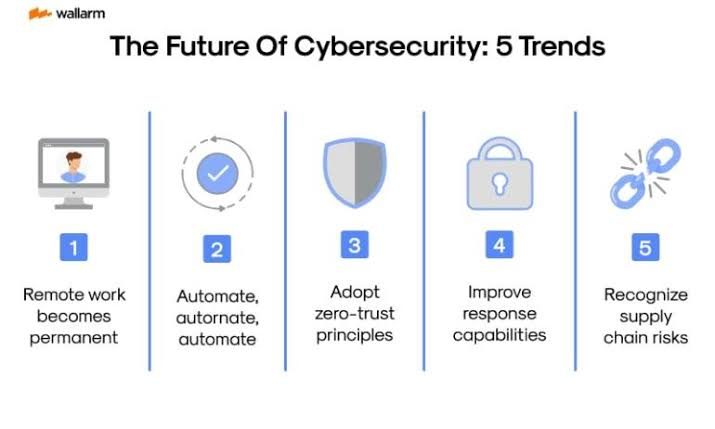
The future of Digital Security will include advanced technologies such as artificial intelligence, stronger authentication systems, automated threat detection, and improved privacy protection methods.
Conclusion
Digital Security has become an essential part of modern life as more people depend on digital technology for communication, business, banking, and personal activities. Protecting online information is no longer only a concern for large companies; every internet user needs to understand basic security practices. Strong passwords, regular updates, safe browsing habits, and data protection methods can help prevent many cyber threats.
As cyber attacks continue to become more advanced, awareness and responsible digital behavior will play a major role in creating a safer online environment. By following effective Digital Security practices, individuals and organizations can protect their valuable information, maintain privacy, and confidently use digital services in the future.