Introduction
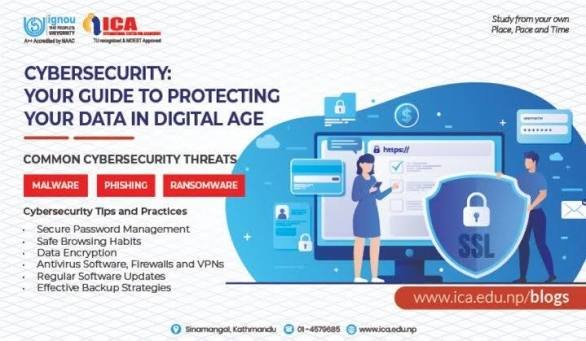
In today’s digital age, data has become one of the most valuable assets for individuals, businesses, and organizations. Every day, millions of people share personal information online through websites, mobile applications, social media platforms, banking services, and other digital systems. This increasing dependence on technology has also increased the risk of data theft, cyberattacks, identity fraud, and privacy violations.
Data Protection refers to the practices, technologies, and policies used to keep digital information safe from unauthorized access, misuse, loss, or damage. It ensures that sensitive information remains confidential, accurate, and available only to authorized users.
From personal details such as names, passwords, and financial records to business information such as customer databases and confidential documents, protecting data is essential for maintaining privacy and trust.
What Is Data Protection?
Data Protection is the process of safeguarding information from unauthorized access, accidental deletion, cyber threats, and illegal use. It involves a combination of security measures, rules, and technologies designed to protect data throughout its lifecycle.
The main goal of data protection is to ensure that information is:
- Confidential – Only authorized people can access the data.
- Accurate – Data remains correct and is not changed without permission.
- Available – Authorized users can access information when needed.
Organizations use data protection strategies to reduce security risks and comply with privacy regulations.
Why Is Data Protection Important?
The importance of data protection has grown because modern society depends heavily on digital information. A single data breach can cause financial losses, damage a company’s reputation, and expose millions of users to security risks.
1. Protecting Personal Privacy
People share a large amount of personal information online, including contact details, financial information, and personal preferences. Without proper protection, criminals can misuse this information for identity theft or fraud.
Data protection helps individuals maintain control over their personal information and prevents unauthorized organizations from using their data without permission.
2. Preventing Cybercrime
Cybercriminals use advanced methods to steal sensitive information. Common cyber threats include:
- Phishing attacks
- Malware infections
- Ransomware
- Password theft
- Data breaches
Strong data protection methods help reduce the chances of these attacks and protect valuable information.
3. Building Customer Trust
Customers expect companies to protect their personal information. Businesses that follow strong data protection practices create trust and improve their reputation.
When customers know their information is secure, they are more likely to use digital services and continue relationships with businesses.
Types of Data That Need Protection
Different types of information require protection because they can create risks if exposed.
Personal Data
Personal data includes information that can identify an individual, such as:
- Full name
- Address
- Phone number
- Email address
- Date of birth
- Identification numbers
Financial Data
Financial information is highly sensitive and includes:
- Bank account details
- Credit card information
- Transaction records
- Payment information
Business Data
Companies store valuable information such as:
- Customer databases
- Business strategies
- Employee records
- Product information
- Internal documents
Health Information
Medical records and health-related information require strong protection because they contain private details about individuals.
Key Principles of Data Protection
Effective data protection follows several important principles.
Data Minimization
Organizations should collect only the information they actually need. Reducing unnecessary data collection lowers security risks.
Data Encryption
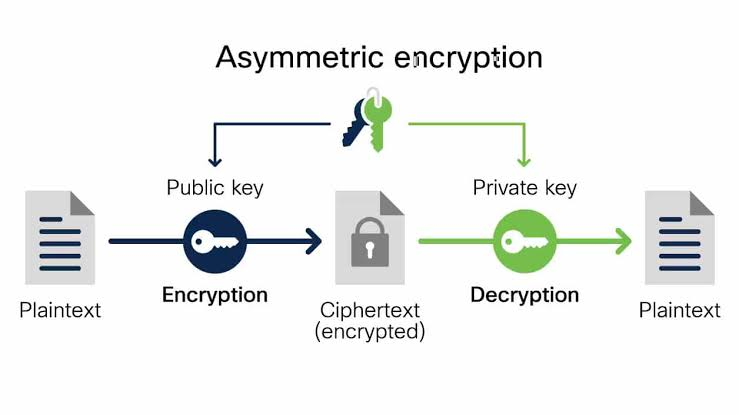
Encryption converts information into a protected format that cannot be easily understood without the correct key. It is one of the most effective ways to protect sensitive data.
Access Control
Access control ensures that only authorized users can view or modify information. Businesses often use passwords, authentication systems, and permission settings to control access.
Regular Backups
Creating regular backups helps organizations recover important information after accidental deletion, hardware failure, or cyberattacks.
Data Protection and Cybersecurity
Although data protection and cybersecurity are closely connected, they are not exactly the same.
Cybersecurity focuses on protecting computer systems, networks, and devices from cyber threats. Data protection focuses specifically on protecting information and ensuring privacy.
Both areas work together to create a secure digital environment. Strong cybersecurity tools help prevent attacks, while data protection policies ensure that information is handled responsibly.
Common Data Protection Challenges
Protecting information is becoming more difficult because technology continues to evolve.
Increasing Cyber Threats
Hackers constantly develop new techniques to bypass security systems. Organizations must regularly update their security strategies.
Human Errors
Many data breaches happen because of mistakes made by employees or users, such as weak passwords, accidental sharing, or clicking harmful links.
Growing Amounts of Data
Companies collect and store huge amounts of information. Managing and protecting this data requires advanced systems and proper planning.
Frequently Asked Questions (FAQs) About Data Protection
1. What is Data Protection?
Data Protection is the process of securing digital and physical information from unauthorized access, misuse, loss, or damage. It includes security practices, technologies, and policies that help keep sensitive information safe.
2. Why is Data Protection important?
Data Protection is important because it helps prevent data theft, cybercrime, identity fraud, and privacy violations. It also helps businesses build customer trust and protect valuable information.
3. What are the main principles of Data Protection?
The main principles of Data Protection include data confidentiality, accuracy, availability, transparency, limited data collection, secure storage, and controlled access.
4. How can individuals protect their personal data?
Individuals can protect their data by using strong passwords, enabling two-factor authentication, avoiding suspicious links, updating software regularly, and being careful about sharing personal information online.
5. How do businesses protect customer data?
Businesses protect customer data by using encryption, access controls, security monitoring, regular backups, employee training, and cybersecurity solutions.
6. What is the difference between Data Protection and Cybersecurity?
Data Protection focuses on protecting information and maintaining privacy, while cybersecurity focuses on defending systems, networks, and devices from digital threats. Both work together to create a secure environment.
7. What happens if data is not protected?
Poor data protection can lead to data breaches, financial losses, identity theft, legal problems, and damage to an organization’s reputation.
8. Is Data Protection only important for large companies?
No. Data Protection is important for everyone, including individuals, small businesses, educational institutions, and large organizations because all of them handle valuable information.
9. What is data encryption?
Data encryption is a security method that converts information into an unreadable format. Only authorized users with the correct decryption key can access the original data.
10. How does Data Protection improve customer trust?
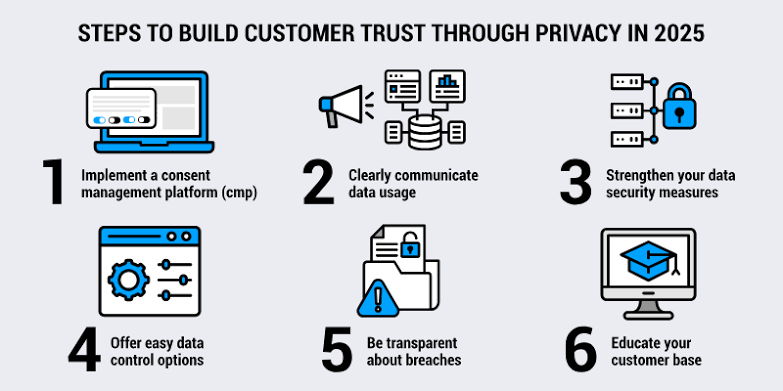
When organizations protect customer information properly, users feel more confident sharing their data. Strong data protection practices improve reputation and create long-term customer relationships.
Conclusion: The Importance of Data Protection in the Digital World
In the modern digital era, information has become one of the most valuable resources. As people and businesses continue to use online services, the need for strong Data Protection has become more important than ever.
Protecting sensitive information helps prevent cyber threats, reduces privacy risks, and ensures that personal and business data remains secure. Effective data protection requires a combination of advanced technologies, secure practices, employee awareness, and responsible data management.
Whether you are an individual protecting personal information or a business managing customer records, investing in data protection is essential. Strong protection methods not only reduce security risks but also create trust, reliability, and confidence in the digital environment.
As cyber threats continue to grow, data protection will remain a critical part of modern technology. By following proper security practices and adopting strong protection strategies, everyone can contribute to a safer and more secure digital future.