
Introduction to Cyber Defense
In today’s connected world, technology has become an essential part of everyday life. Businesses, governments, educational institutions, and individuals rely on digital systems to store information, communicate, manage operations, and provide services. However, as technology continues to grow, cyber threats are also becoming more advanced and dangerous.
Cyber Defense is the practice of protecting computer systems, networks, applications, and digital information from cyberattacks, unauthorized access, and online threats. It combines security strategies, technologies, policies, and human awareness to prevent attackers from causing damage.
With the increasing number of cyber incidents around the world, cyber defense has become one of the most important areas of modern technology. Organizations of all sizes are investing in strong security solutions because a single successful attack can result in financial losses, reputation damage, and the exposure of sensitive information.
What Is Cyber Defense?
Cyber Defense refers to the methods and technologies used to detect, prevent, and respond to cyber threats. Unlike traditional security methods that focused mainly on protecting physical assets, cyber defense focuses on safeguarding digital environments.
A strong cyber defense system helps organizations identify possible risks before they become serious problems. It includes monitoring networks, analyzing suspicious activities, protecting data, managing access controls, and creating response plans for security incidents.
Cyber defense is not only about using advanced software. It also involves employee training, security awareness, regular updates, and responsible online behavior. People remain one of the most important elements in protecting digital systems.
Why Cyber Defense Is Important
The digital world has created many opportunities, but it has also created new risks. Cybercriminals use different techniques to steal information, disrupt services, and exploit weaknesses in systems.
Some common cyber threats include:
- Malware attacks
- Phishing scams
- Ransomware
- Data breaches
- Identity theft
- Network intrusions
- Social engineering attacks
Cyber defense helps reduce these risks by creating multiple layers of protection. When organizations implement effective security measures, they can protect valuable information and maintain trust with customers and users.
The Growing Need for Cyber Defense
The demand for cyber defense has increased rapidly because cyberattacks are becoming more frequent and complex. Attackers are constantly developing new methods to bypass security systems, making it necessary for organizations to improve their defenses continuously.
Businesses now store large amounts of customer data, financial records, and confidential information online. Protecting this data is not only a technical requirement but also a responsibility.
Industries such as healthcare, banking, education, government, and e-commerce depend heavily on cyber defense because they handle sensitive information that attackers often target.
Key Components of Cyber Defense
A successful cyber defense strategy includes several important components:
1. Network Security
Network security protects communication systems and prevents unauthorized users from accessing networks. Firewalls, intrusion detection systems, and monitoring tools help identify and block suspicious activities.
2. Data Protection
Data is one of the most valuable assets in the digital world. Cyber defense uses encryption, secure storage methods, and backup systems to protect information from theft or loss.
3. Threat Detection
Modern cyber defense relies on advanced monitoring tools that analyze network behavior and detect unusual activities. Early detection allows security teams to respond quickly before major damage occurs.
4. Incident Response
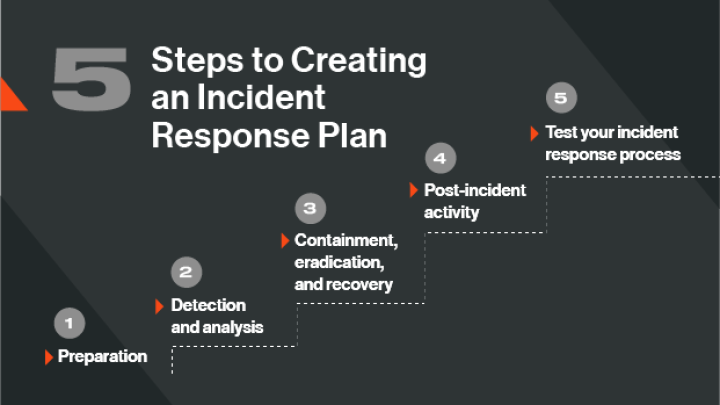
Even strong security systems cannot guarantee that attacks will never happen. Incident response plans help organizations manage security breaches effectively and recover operations quickly.
5. Security Awareness
Human mistakes are a common cause of cyber incidents. Training employees about safe online practices helps prevent many attacks caused by phishing, weak passwords, and unsafe behavior.
Cyber Defense vs Cyber Security
Although the terms cyber defense and cybersecurity are often used together, they have slightly different meanings.
Cybersecurity is a broader concept that includes all practices used to protect digital systems and information. Cyber defense focuses more specifically on actively detecting threats, defending against attacks, and responding to security incidents.
Both areas work together to create a safer digital environment. Cybersecurity provides the overall protection strategy, while cyber defense focuses on active protection and response.
Frequently Asked Questions (FAQs) About Cyber Defense
1. What is Cyber Defense?
Cyber Defense is the process of protecting computers, networks, applications, and digital information from cyber threats. It uses security technologies, strategies, and practices to detect, prevent, and respond to online attacks.
2. Why is Cyber Defense important?
Cyber Defense is important because cyberattacks can cause financial losses, data theft, system damage, and privacy problems. Strong cyber defense helps organizations and individuals protect valuable digital assets.
3. What are the common types of cyber threats?
Common cyber threats include malware, ransomware, phishing attacks, data breaches, identity theft, social engineering, and unauthorized access attempts.
4. How does Cyber Defense protect businesses?
Cyber Defense protects businesses by securing networks, monitoring suspicious activities, preventing unauthorized access, protecting customer data, and helping organizations recover quickly after security incidents.
5. What is the difference between Cyber Defense and Cyber Security?
Cybersecurity is a broad field that covers all methods of protecting digital systems, while Cyber Defense focuses on actively detecting threats, defending against attacks, and responding to cyber incidents.
6. What technologies are used in Cyber Defense?
Cyber Defense uses technologies such as firewalls, antivirus software, encryption, artificial intelligence, threat monitoring systems, intrusion detection tools, and security analytics platforms.
7. Can individuals benefit from Cyber Defense?
Yes, individuals can use cyber defense practices to protect personal information, online accounts, devices, and financial details from cybercriminals.
8. How can companies improve their Cyber Defense?
Companies can improve cyber defense by updating software regularly, training employees, using strong authentication methods, creating backups, and developing effective security policies.
9. Is Cyber Defense only needed for large organizations?
No, cyber defense is important for businesses of all sizes, governments, and individual users because cyber threats can affect anyone connected to the internet.
10. What is the future of Cyber Defense?
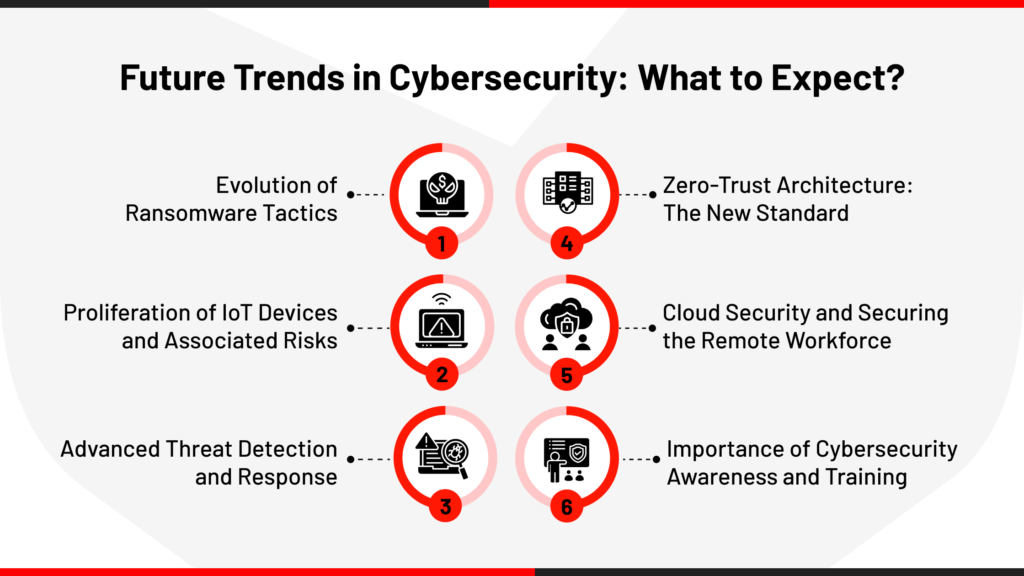
The future of Cyber Defense will involve advanced technologies such as artificial intelligence, machine learning, automation, and improved security systems to fight increasingly complex cyber threats.
Conclusion
Cyber Defense has become an essential requirement in today’s digital world. As organizations and individuals continue to depend on technology, the risk of cyber threats continues to increase. A strong cyber defense strategy helps protect sensitive information, prevent unauthorized access, and reduce the impact of cyberattacks. Effective cyber defense requires a combination of advanced security technologies, proper planning, regular monitoring, and user awareness. Businesses must continuously improve their security systems to stay ahead of evolving threats. Individuals also need to follow safe online practices to protect their personal information. With the growth of artificial intelligence and modern security solutions, cyber defense will continue to develop and provide better protection against future attacks. By investing in cyber defense today, we can build a safer, more secure, and trusted digital environment for everyone.