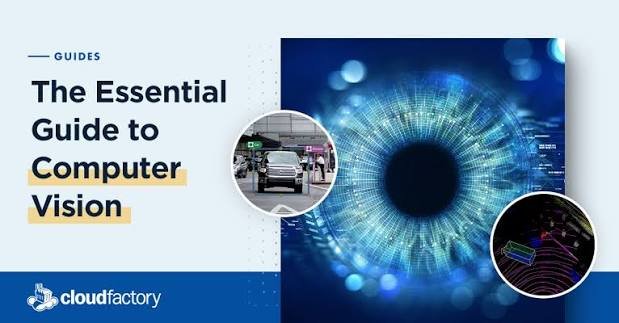
Introduction to Computer Vision
In today’s digital world, machines are becoming smarter every day. From smartphones unlocking through facial recognition to self-driving cars understanding roads and traffic signals, one technology is working behind many of these innovations: Computer Vision.
Computer Vision is a branch of artificial intelligence (AI) that allows computers and machines to understand, analyze, and interpret visual information from the real world. Just as humans use their eyes and brains to recognize objects, read text, and understand surroundings, computer vision enables machines to perform similar tasks using cameras, sensors, and advanced algorithms.
The rapid growth of artificial intelligence, deep learning, and big data has made computer vision one of the most important technologies of the modern era. Businesses, healthcare organizations, manufacturers, security companies, and technology developers are using computer vision to improve efficiency, automate processes, and create better user experiences.
This complete guide explains what computer vision is, how it works, its applications, benefits, challenges, and how it is shaping the future of technology.
What Is Computer Vision?
Computer Vision is a field of artificial intelligence that focuses on teaching computers how to see and understand images and videos. It enables machines to extract meaningful information from visual data and make decisions based on what they observe.
A computer does not naturally understand an image like a human does. When a camera captures an image, a computer sees it as a collection of numerical values called pixels. Computer vision algorithms process these pixels and identify patterns, shapes, colors, objects, and relationships.
For example:
- A human sees a picture of a dog and immediately recognizes it.
- A computer vision system analyzes thousands or millions of pixel patterns to determine that the image contains a dog.
Through machine learning and deep learning models, computers can now recognize objects, detect faces, understand movements, and even predict future actions.
How Does Computer Vision Work?
Computer Vision works by combining cameras, artificial intelligence algorithms, and large amounts of data. The process usually involves several important steps.
1. Image Acquisition
The first step is collecting visual information. This can happen through:
- Digital cameras
- Smartphones
- Security cameras
- Medical imaging devices
- Industrial sensors
- Satellites
- Drones
The collected images or videos become the input data for computer vision systems.
2. Image Processing
After collecting an image, the system processes the visual data. Image processing improves the quality of images and prepares them for analysis.
Common image processing techniques include:
- Removing noise
- Adjusting brightness
- Changing image size
- Improving contrast
- Detecting important features
This step helps computers understand the important parts of an image.
3. Feature Extraction
Feature extraction allows a computer system to identify important characteristics within an image.
These features may include:
- Edges
- Colors
- Shapes
- Textures
- Patterns
- Object structures
For example, when analyzing a human face, the system may examine the distance between eyes, the shape of the nose, and facial patterns.
4. Machine Learning and Deep Learning Analysis
Modern computer vision relies heavily on machine learning and deep learning.
Deep learning models, especially Convolutional Neural Networks (CNNs), are designed to process visual information efficiently.
These models learn from thousands or millions of examples. Over time, they become better at recognizing patterns and making accurate predictions.
For example:
A computer vision model trained with millions of car images can learn how to identify different types of vehicles.
History of Computer Vision
The idea of teaching machines to understand images has existed for decades. However, computer vision has developed significantly with advances in computing power and artificial intelligence.
Early Development
During the 1960s and 1970s, researchers began exploring ways for computers to analyze simple images. Early systems could only identify basic shapes and patterns.
The technology was limited because computers lacked processing power and large datasets.
Growth of Machine Learning
In the 1990s and early 2000s, machine learning improved computer vision capabilities. Researchers developed better algorithms for:
- Object detection
- Face recognition
- Image classification
However, these systems still struggled with complex real-world environments.
The Deep Learning Revolution
The introduction of deep learning changed computer vision completely.
Modern neural networks can analyze massive amounts of visual information and achieve human-level accuracy in many tasks.
Today, computer vision powers:
- Autonomous vehicles
- Smart cameras
- Medical diagnosis systems
- Augmented reality applications
- Robotics
Types of Computer Vision Technology
Computer vision includes many different technologies that help machines understand visual information.
1. Image Classification
Image classification is the process of identifying what an image contains.
For example:
- Identifying whether an image shows a cat or a dog
- Recognizing different types of products
- Detecting diseases in medical scans
The system assigns a category or label to an image.
2. Object Detection
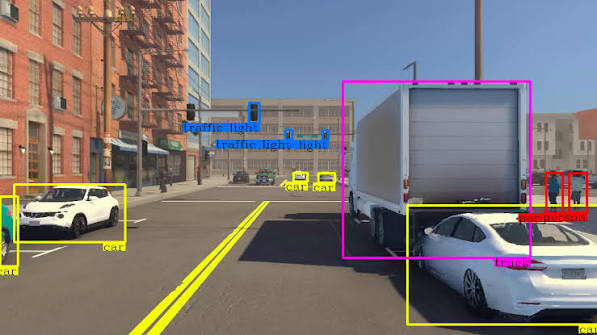
Object detection identifies specific objects inside images or videos.
Unlike image classification, object detection can locate multiple objects and determine their positions.
Examples include:
- Detecting pedestrians on roads
- Identifying vehicles in traffic
- Finding damaged products in factories
3. Facial Recognition
Facial recognition technology identifies or verifies people based on their facial features.
It is commonly used in:
- Smartphone security
- Airport systems
- Banking applications
- Access control systems
The technology analyzes facial patterns and compares them with stored information.
4. Image Segmentation
Image segmentation divides an image into different sections to understand each part separately.
For example, in medical imaging, segmentation can identify:
- Tumors
- Organs
- Abnormal tissues
This helps doctors analyze medical conditions more accurately.
5. Optical Character Recognition (OCR)
OCR technology allows computers to read and understand text from images.
Examples:
- Scanning documents
- Reading license plates
- Converting handwritten notes into digital text
OCR is widely used in businesses and government systems.
Applications of Computer Vision
Computer Vision is being used across almost every industry. Its ability to analyze visual information makes it valuable for automation, security, and decision-making.
Computer Vision in Healthcare
Healthcare is one of the biggest areas where computer vision is creating major improvements.
Doctors use computer vision systems to analyze medical images such as:
- X-rays
- MRI scans
- CT scans
- Ultrasound images
Benefits include:
- Faster diagnosis
- Early disease detection
- Improved treatment planning
- Reduced human errors
Computer vision can help identify conditions such as cancer, eye diseases, and heart problems.
Computer Vision in Autonomous Vehicles
Self-driving cars depend heavily on computer vision.
Vehicles use cameras and sensors to understand their environment.
Computer vision helps cars:
- Detect pedestrians
- Recognize traffic signs
- Identify road lanes
- Avoid obstacles
- Understand traffic conditions
Companies developing autonomous vehicles use advanced vision systems to improve safety and reliability.
Computer Vision in Security
Security systems use computer vision for monitoring and threat detection.
Applications include:
- Surveillance cameras
- Face recognition systems
- Intrusion detection
- Crowd monitoring
Smart security systems can analyze video footage and automatically detect unusual activities.
Computer Vision in Manufacturing
Factories use computer vision to improve production quality.
Industrial vision systems can:
- Inspect products
- Detect defects
- Measure objects
- Monitor machines
- Improve automation
This reduces production errors and increases efficiency.
Frequently Asked Questions (FAQs) About Computer Vision
1. What is Computer Vision in simple words?
Computer Vision is a technology that allows computers and machines to see, understand, and analyze images or videos. It uses artificial intelligence, machine learning, and deep learning algorithms to recognize objects, faces, patterns, and visual information.
2. How does Computer Vision work?
Computer Vision works by collecting images or videos through cameras and sensors. The system then processes the visual data, extracts important features, and uses AI models to identify objects, recognize patterns, and make decisions.
3. Is Computer Vision a part of Artificial Intelligence?
Yes, Computer Vision is an important branch of Artificial Intelligence (AI). It focuses on helping machines understand visual information, while AI enables machines to learn, reason, and perform intelligent tasks.
4. What are the main uses of Computer Vision?
Computer Vision is used in many industries, including:
- Healthcare for medical image analysis
- Automotive for self-driving vehicles
- Security for surveillance and face recognition
- Manufacturing for quality inspection
- Retail for customer analysis
- Agriculture for crop monitoring
- Banking for document verification
5. What is the difference between Computer Vision and Image Processing?
Image processing focuses on improving or modifying images, such as changing brightness, removing noise, or enhancing quality.
Computer Vision goes further by helping computers understand the meaning of images and make decisions based on visual information.
6. What technologies are used in Computer Vision?
Computer Vision uses several technologies, including:
- Artificial Intelligence
- Machine Learning
- Deep Learning
- Neural Networks
- Convolutional Neural Networks (CNNs)
- Image Processing
- Computer Graphics
7. Can Computer Vision replace human vision?
Computer Vision can perform many tasks faster and more accurately than humans in specific situations. However, human vision involves complex understanding, emotions, and decision-making abilities that machines still cannot fully replicate.
8. What are the benefits of Computer Vision?
Some major benefits of Computer Vision include:
- Faster data analysis
- Improved accuracy
- Automation of repetitive tasks
- Better security
- Reduced operational costs
- Improved decision-making
- Increased productivity
9. What are the challenges of Computer Vision?
Although Computer Vision has advanced significantly, it still faces challenges such as:
- Limited quality of image data
- Privacy concerns
- High computational requirements
- Difficulties in complex environments
- Bias in AI training data
Researchers continue working to make Computer Vision systems more reliable and ethical.
10. What is the future of Computer Vision?
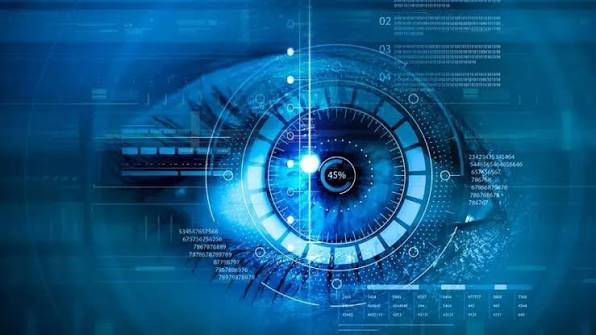
The future of Computer Vision is expected to grow rapidly with advancements in artificial intelligence and automation. It will continue improving industries such as healthcare, transportation, robotics, education, and smart cities.
Future computer vision systems may become more intelligent, faster, and capable of understanding the world more like humans.
Conclusion: The Future of Computer Vision
Computer Vision has become one of the most powerful technologies in the modern digital age. By allowing machines to understand and interpret visual information, it is changing how people interact with technology and how businesses operate.
From medical diagnosis and autonomous vehicles to smart security systems and industrial automation, Computer Vision is creating new opportunities across different industries. The combination of artificial intelligence, deep learning, and advanced sensors is making machines more capable of performing tasks that once required human intelligence.
As technology continues to improve, Computer Vision will play an even greater role in everyday life. Businesses that adopt this technology can achieve higher efficiency, better accuracy, and improved customer experiences.