
Introduction to App Development
In the modern digital world, mobile applications have become an important part of everyday life. People use apps for communication, shopping, banking, education, healthcare, entertainment, and business activities. Behind every successful mobile application is a detailed process known as App Development.
App Development is the process of designing, creating, testing, and maintaining software applications that run on smartphones, tablets, and other digital devices. It involves different stages, including planning, design, programming, testing, and continuous improvement.
With billions of smartphone users worldwide, businesses are increasingly investing in app development to reach customers, improve services, and create new opportunities. A well-designed application can help companies increase brand visibility, improve customer engagement, and stay competitive in the digital marketplace.
What Is App Development?
App Development refers to the complete process of creating a mobile application from an idea to a fully functional product. It includes designing the user interface, writing code, integrating features, testing performance, and launching the application for users.
Professional app development requires knowledge of programming languages, software tools, user experience design, security practices, and market requirements.
The main goals of app development are:
- Creating useful digital solutions
- Improving user experiences
- Solving specific problems
- Providing convenient services
- Helping businesses grow
App development can be performed for different platforms, including Android, iOS, and cross-platform environments.
Importance of App Development
The growth of smartphones has increased the demand for high-quality applications. Businesses, organizations, and individuals use apps to provide services faster and more efficiently.
Better Customer Engagement
Apps allow businesses to communicate directly with their customers. Through notifications, personalized content, and customer support features, companies can create stronger relationships with users.
Increased Business Opportunities
A mobile application can help businesses reach a larger audience. Companies can promote products, sell services, and build brand awareness through mobile platforms.
Improved User Convenience
Apps make daily activities easier by allowing users to access services anytime and anywhere. Whether booking a service, making payments, or learning something new, mobile applications provide quick solutions.
Types of App Development
There are different types of app development based on platform, purpose, and technology.
Native App Development
Native app development focuses on creating applications specifically for one operating system, such as Android or iOS.
Advantages of native apps include:
- High performance
- Better security
- Smooth user experience
- Access to device features
Native apps are commonly used for applications that require advanced performance and reliability.
Cross-Platform App Development
Cross-platform app development allows developers to create applications that work on multiple operating systems using a single codebase.
Benefits include:
- Reduced development costs
- Faster development process
- Easier maintenance
- Wider audience reach
Many businesses choose cross-platform development to save time and resources.
Web App Development
Web applications are mobile-friendly applications that run through web browsers. They do not always require installation and can be accessed through internet connections.
Web apps are useful for:
- Online services
- Information platforms
- Business tools
Hybrid App Development
Hybrid apps combine features of native and web applications. They provide flexibility by allowing developers to build apps that work across different platforms.
Steps Involved in App Development
Successful app development requires a clear and organized process.
1. Idea and Research
Every application starts with an idea. Developers and businesses analyze user needs, market trends, and competitors before starting development.
Research helps answer important questions:
- Who are the target users?
- What problem will the app solve?
- What features are required?
- How can the app provide value?
2. Planning and Strategy
The planning stage defines the goals, features, budget, and timeline of the application.
A proper strategy helps developers create a successful product while avoiding unnecessary costs and delays.
3. UI/UX Design
User interface and user experience design are important parts of app development. A good design makes applications attractive, simple, and easy to use.
Effective app design focuses on:
- Easy navigation
- Fast loading speed
- Clear layouts
- User-friendly features
4. Development and Coding
During this stage, developers write the code that makes the application work. They create features, connect databases, and integrate necessary technologies.
Programming languages used in app development may include:
- Java
- Kotlin
- Swift
- JavaScript
- Dart
5. Testing
Testing ensures that the application works properly before launch. Developers check for bugs, security issues, and performance problems.
Common testing methods include:
- Functional testing
- Security testing
- Performance testing
- User testing
6. Launch and Maintenance
After successful testing, the application is published on app stores. However, development does not stop after launch.
Regular maintenance helps:
- Fix technical problems
- Improve security
- Add new features
- Enhance performance
Benefits of Professional App Development
Professional app development provides many advantages for businesses and users.
Strong Brand Presence
A mobile application helps businesses create a stronger digital identity and remain connected with customers.
Higher Revenue Potential
Apps can generate income through different methods, including subscriptions, advertisements, and in-app purchases.
Competitive Advantage
Companies with innovative mobile applications can stand out from competitors and provide better customer experiences.
Better Data Management
Apps allow businesses to collect valuable information about customer behavior and preferences, helping them make better decisions.
Future of App Development
The future of app development is connected with advanced technologies such as artificial intelligence, machine learning, augmented reality, and cloud computing.
Future applications will become more intelligent, secure, and personalized. Developers will continue creating innovative solutions that improve how people interact with technology.
Popular Tools Used in App Development
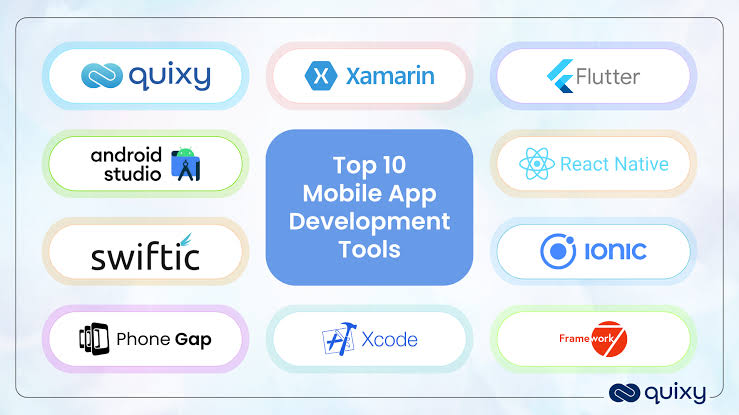
App Development requires different tools and technologies to create powerful, reliable, and user-friendly applications. Developers use these tools to write code, design interfaces, test applications, and manage the complete development process.
Some popular app development tools include:
Android Studio
Android Studio is one of the most widely used tools for Android app development. It provides developers with features for coding, debugging, testing, and optimizing Android applications.
It supports programming languages such as Java and Kotlin and helps developers create high-performance Android apps.
Xcode
Xcode is the official development environment for creating applications for Apple devices. Developers use Xcode to build apps for iPhone, iPad, Apple Watch, and other Apple platforms.
It provides tools for:
- Coding
- Interface design
- Testing
- App publishing
Flutter
Flutter is a popular framework that allows developers to create applications for multiple platforms using a single codebase. It helps reduce development time and makes app maintenance easier.
React Native
React Native is a framework used to build mobile applications for both Android and iOS platforms. It allows developers to create efficient apps with reusable components.
Programming Languages Used in App Development
Programming languages are the foundation of every mobile application. Developers choose languages based on the platform, project requirements, and desired features.
Java
Java has been one of the most popular languages for Android app development. It provides stability, security, and strong performance.
Kotlin
Kotlin is a modern programming language mainly used for Android applications. It offers cleaner code and improved development efficiency.
Swift
Swift is the primary programming language for iOS app development. It allows developers to create fast and secure applications for Apple devices.
JavaScript
JavaScript is commonly used with frameworks like React Native to develop cross-platform applications.
Dart
Dart is the programming language used with Flutter. It helps developers create smooth and visually attractive mobile applications.
Factors That Affect App Development Cost
The cost of App Development depends on several factors. Every application has different requirements, features, and complexity levels.
App Features and Complexity
Simple applications with basic features usually require less time and investment compared to advanced applications with complex functionality.
Features that can increase development costs include:
- Payment systems
- Artificial intelligence
- Real-time messaging
- GPS tracking
- Advanced security systems
Platform Selection
Developing an app for one platform may cost less than creating applications for multiple platforms.
Businesses often choose between:
- Android development
- iOS development
- Cross-platform development
Design Requirements
A unique and professional design can influence the overall development cost. Applications with advanced animations, custom graphics, and premium user experiences require more development effort.
Maintenance and Updates
App development does not end after launch. Regular updates, security improvements, and technical support are necessary to keep applications successful.
Importance of Security in App Development
Security is one of the most important aspects of modern App Development. Users share personal information, financial details, and private data through applications, making security essential.
Developers focus on:
Data Encryption
Encryption protects sensitive information by converting data into a secure format that unauthorized users cannot access.
Secure Authentication
Authentication systems such as passwords, biometric verification, and multi-factor authentication help prevent unauthorized access.
Regular Security Updates
Regular updates protect applications from new threats and improve overall performance.
Secure Coding Practices
Developers follow secure coding methods to reduce vulnerabilities and create safer applications.
App Monetization Strategies
Businesses and developers use different methods to generate revenue from mobile applications.
In-App Advertising
Many free applications earn money by displaying advertisements. This allows users to access apps without paying.
Subscription Models
Subscription-based apps provide premium services to users who pay monthly or yearly fees.
Examples include:
- Streaming services
- Learning platforms
- Professional tools
In-App Purchases
Apps can offer additional features, digital products, or premium content that users can purchase.
Paid Applications
Some developers charge users before downloading an application. Paid apps usually provide specialized features and professional services.
Challenges in App Development
Although app development provides many opportunities, developers also face different challenges.
High Competition
Millions of applications are available in app stores, making it difficult for new apps to gain attention. Developers need unique ideas and strong marketing strategies.
User Expectations
Modern users expect applications to be fast, attractive, secure, and easy to use. Meeting these expectations requires careful planning and continuous improvement.
Security Issues
Cybersecurity threats are increasing, and developers must constantly improve security systems to protect user information.
Device Compatibility
Different devices have different screen sizes, operating systems, and hardware capabilities. Developers must ensure applications work smoothly across various devices.
Latest Trends in App Development
Technology continues to change the app development industry. New trends are creating smarter and more powerful applications.
Artificial Intelligence Integration
AI is becoming an important part of app development. AI-powered applications can provide personalized recommendations, automate tasks, and improve user experiences.
Internet of Things (IoT) Applications
IoT-based apps allow users to control smart devices through smartphones. These applications are becoming popular in homes, healthcare, and industries.
Augmented Reality Applications
Augmented Reality (AR) technology creates interactive digital experiences by combining virtual elements with the real world.
AR applications are used in:
- Gaming
- Shopping
- Education
- Real estate
Cloud-Based Applications
Cloud technology allows apps to store and process information online. Cloud-based applications provide better flexibility, performance, and accessibility.
Voice-Based Applications
Voice technology is becoming more popular as users prefer hands-free interaction. Voice-enabled apps provide faster and easier ways to complete tasks.
How Businesses Can Benefit From App Development
Businesses across different industries are using app development to improve their operations and customer relationships.
Healthcare Industry
Healthcare apps help patients access medical services, track health information, and communicate with doctors.
Education Industry
Educational applications provide online learning opportunities and make knowledge accessible to students worldwide.
Retail Industry
Retail apps help customers shop online, receive personalized recommendations, and enjoy convenient purchasing experiences.
Financial Industry
Banking and finance apps allow users to manage accounts, make payments, and monitor transactions securely.
Frequently Asked Questions (FAQs) About App Development
1. What is App Development?
App Development is the process of creating mobile applications for smartphones and tablets. It includes planning, designing, coding, testing, launching, and maintaining applications for different platforms.
2. Why is App Development important for businesses?
App Development helps businesses reach more customers, improve communication, provide better services, increase sales, and create a strong digital presence in a competitive market.
3. Which technologies are used in App Development?
Developers use programming languages and frameworks such as Java, Kotlin, Swift, Flutter, React Native, and other modern technologies to build mobile applications.
4. How long does App Development take?
The time required for App Development depends on the app’s features, design complexity, platform, and development process. Simple apps take less time, while advanced apps require more development effort.
5. How can businesses benefit from App Development?
Businesses can use mobile applications to improve customer experiences, automate services, increase brand awareness, and create new opportunities for growth and revenue.
Conclusion
App Development is a powerful process that helps create innovative digital solutions for users and businesses. With the increasing demand for mobile technology, professional app development allows companies to improve services, connect with customers, and grow in the digital world. Future technologies will make apps smarter and more efficient.