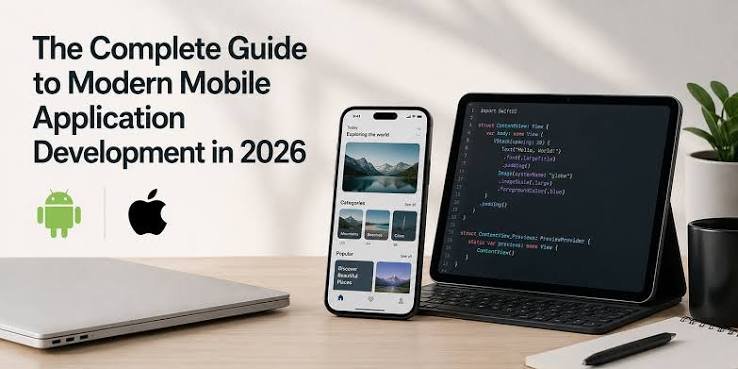
Introduction to Mobile Applications
In today’s digital age, mobile technology has become an essential part of everyday life. Smartphones are no longer limited to making calls or sending messages; they have transformed into powerful devices that help people work, learn, shop, communicate, entertain themselves, and manage their daily activities. At the center of this transformation are Mobile Applications.
Mobile Applications, commonly known as mobile apps, are software programs designed specifically to run on smartphones, tablets, and other portable devices. These applications provide users with convenient access to different services and information anytime and anywhere.
From banking and healthcare to education, entertainment, and business, mobile applications have changed how people interact with technology. Businesses around the world are investing in mobile apps to improve customer experiences, increase productivity, and reach a wider audience.
As smartphone usage continues to grow, mobile applications have become one of the most important tools in the modern digital ecosystem.
What Are Mobile Applications?
Mobile Applications are software programs developed for mobile devices such as smartphones and tablets. They are designed to perform specific tasks and provide services directly to users through an easy-to-use interface.
Unlike traditional computer software, mobile applications are created with mobile users in mind. They are optimized for touch screens, smaller displays, wireless connections, and portable usage.
Examples of mobile applications include:
- Social media apps
- Banking applications
- Shopping apps
- Learning applications
- Fitness and health apps
- Entertainment platforms
- Business management apps
- Travel applications
Mobile applications allow users to complete tasks quickly without needing to visit physical locations or use desktop computers.
Importance of Mobile Applications
Mobile applications have become an important part of modern communication and business strategies. Their popularity continues to increase because they provide convenience, speed, and personalized experiences.
Easy Access to Services
One of the biggest advantages of mobile applications is easy access. Users can open an app on their smartphone and instantly use a service without complicated processes.
For example, people can:
- Transfer money through banking apps
- Order products through shopping apps
- Attend online classes
- Book travel services
- Communicate with others
Mobile applications make daily activities faster and more convenient.
Improving Customer Experience
Businesses use mobile applications to provide better experiences for customers. A well-designed mobile app allows companies to offer personalized services and maintain direct communication with users.
Mobile apps help businesses:
- Send notifications
- Offer special promotions
- Collect customer feedback
- Provide faster support
A better customer experience can increase trust and brand loyalty.
Types of Mobile Applications
There are different types of mobile applications based on their purpose and functionality.
Business Mobile Applications
Business mobile applications help organizations manage operations and improve productivity. These apps allow employees and customers to access important services from anywhere.
Examples include:
- Employee management apps
- Communication tools
- Sales applications
- Project management apps
E-Commerce Mobile Applications
E-commerce mobile applications have changed the way people shop online. Customers can browse products, compare prices, place orders, and make payments directly from their smartphones.
Popular features of shopping apps include:
- Product search
- Online payments
- Order tracking
- Customer reviews
- Personalized recommendations
Social Media Applications
Social media applications allow people to communicate, share content, and connect with communities worldwide.
These applications provide features such as:
- Messaging
- Video sharing
- Live streaming
- Content creation
Social media apps have become powerful platforms for communication and marketing.
Healthcare Mobile Applications
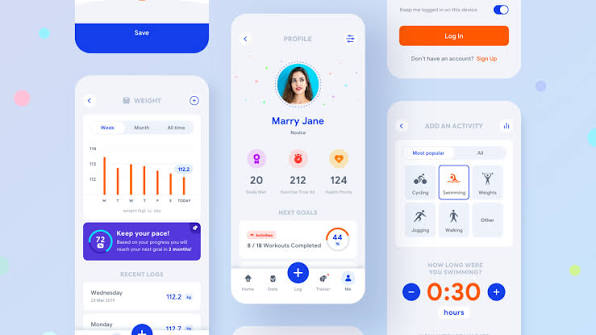
Healthcare mobile applications help users manage their health and access medical services more easily.
Healthcare apps can provide:
- Online doctor consultations
- Fitness tracking
- Medicine reminders
- Health information
These applications are improving healthcare accessibility and convenience.
Educational Mobile Applications
Educational mobile applications have transformed learning by making knowledge available anytime and anywhere.
Students can use learning apps for:
- Online courses
- Language learning
- Exam preparation
- Digital books
Mobile learning has become an important part of modern education.
Benefits of Mobile Applications
Mobile applications provide many benefits for users and businesses.
Increased Convenience
Mobile apps allow users to access services quickly without depending on traditional methods. Everything from shopping to banking can be managed through a smartphone.
Better Communication
Mobile applications improve communication between businesses and customers. Notifications, messaging features, and customer support tools help create stronger connections.
Business Growth Opportunities
For businesses, mobile applications create new opportunities to attract customers and increase sales. A mobile presence helps companies compete in a digital marketplace.
Data Collection and Personalization
Mobile applications can collect user preferences and behavior information. Businesses can use this data to provide personalized recommendations and improve services.
How Mobile Applications Are Developed
Creating a successful mobile application requires careful planning, design, development, testing, and maintenance.
Idea and Planning
The first step is identifying the purpose of the application. Developers analyze user needs, market trends, and business goals before creating the app.
Design
The design stage focuses on creating an attractive and user-friendly interface. Good design improves usability and encourages users to continue using the application.
Development
During development, programmers create the functionality of the app using programming languages and development tools.
Testing
Testing ensures that the mobile application works correctly and provides a smooth user experience.
Launch and Maintenance
After testing, the application is released to users. Regular updates are required to fix problems, improve security, and add new features.
Future of Mobile Applications
The future of mobile applications is connected with advanced technologies such as artificial intelligence, augmented reality, cloud computing, and improved security systems.
Future mobile applications will become smarter and more personalized. AI-powered apps will understand user needs better and provide more efficient services.
Businesses and individuals will continue using mobile applications as technology becomes more integrated into everyday life.
Frequently Asked Questions (FAQs) About Mobile Applications
1. What are Mobile Applications?
Mobile Applications are software programs designed to run on smartphones, tablets, and other mobile devices. They help users perform different tasks such as communication, shopping, banking, learning, and entertainment.
2. Why are Mobile Applications important?
Mobile Applications are important because they provide quick access to services and information. They help users save time and allow businesses to connect with customers more effectively.
3. What are the different types of Mobile Applications?
The main types of Mobile Applications include business apps, social media apps, e-commerce apps, healthcare apps, educational apps, gaming apps, and entertainment applications.
4. How do Mobile Applications benefit businesses?
Mobile Applications help businesses increase customer engagement, improve brand awareness, provide better services, and create new opportunities for sales and growth.
5. What is the difference between native and hybrid Mobile Applications?
Native Mobile Applications are developed specifically for a particular operating system, such as Android or iOS. Hybrid applications combine features of different platforms and can work across multiple devices.
6. Are Mobile Applications secure?
Mobile Applications can be secure when they are developed with proper security features such as data encryption, secure login systems, regular updates, and privacy protection methods.
7. How much does it cost to develop a Mobile Application?
The cost of developing a Mobile Application depends on factors such as app complexity, design, features, platform, development time, and maintenance requirements.
8. How do Mobile Applications make money?
Mobile Applications can generate revenue through advertisements, subscriptions, in-app purchases, premium features, and partnerships with businesses.
9. Why do businesses need Mobile Applications?
Businesses need Mobile Applications to reach more customers, improve communication, provide convenient services, and compete effectively in the digital marketplace.
10. What is the future of Mobile Applications?

The future of Mobile Applications will include advanced technologies such as artificial intelligence, augmented reality, cloud computing, and improved security systems to create smarter user experiences.
Conclusion
Mobile Applications have become an essential part of modern technology and everyday life. They have changed the way people communicate, shop, learn, work, and access different services. With the increasing use of smartphones, mobile apps continue to provide faster, easier, and more personalized solutions for users around the world.
Businesses are also using Mobile Applications to improve customer relationships, increase sales, and create better digital experiences. From small companies to large organizations, mobile apps have become a powerful tool for growth and innovation.
As technology continues to advance, Mobile Applications will become even smarter with the help of artificial intelligence, cloud technology, and advanced security features. The future of mobile apps will bring more convenience, improved performance, and new opportunities for both users and businesses. Investing in effective and user-friendly Mobile Applications can help organizations succeed in the competitive digital world.